
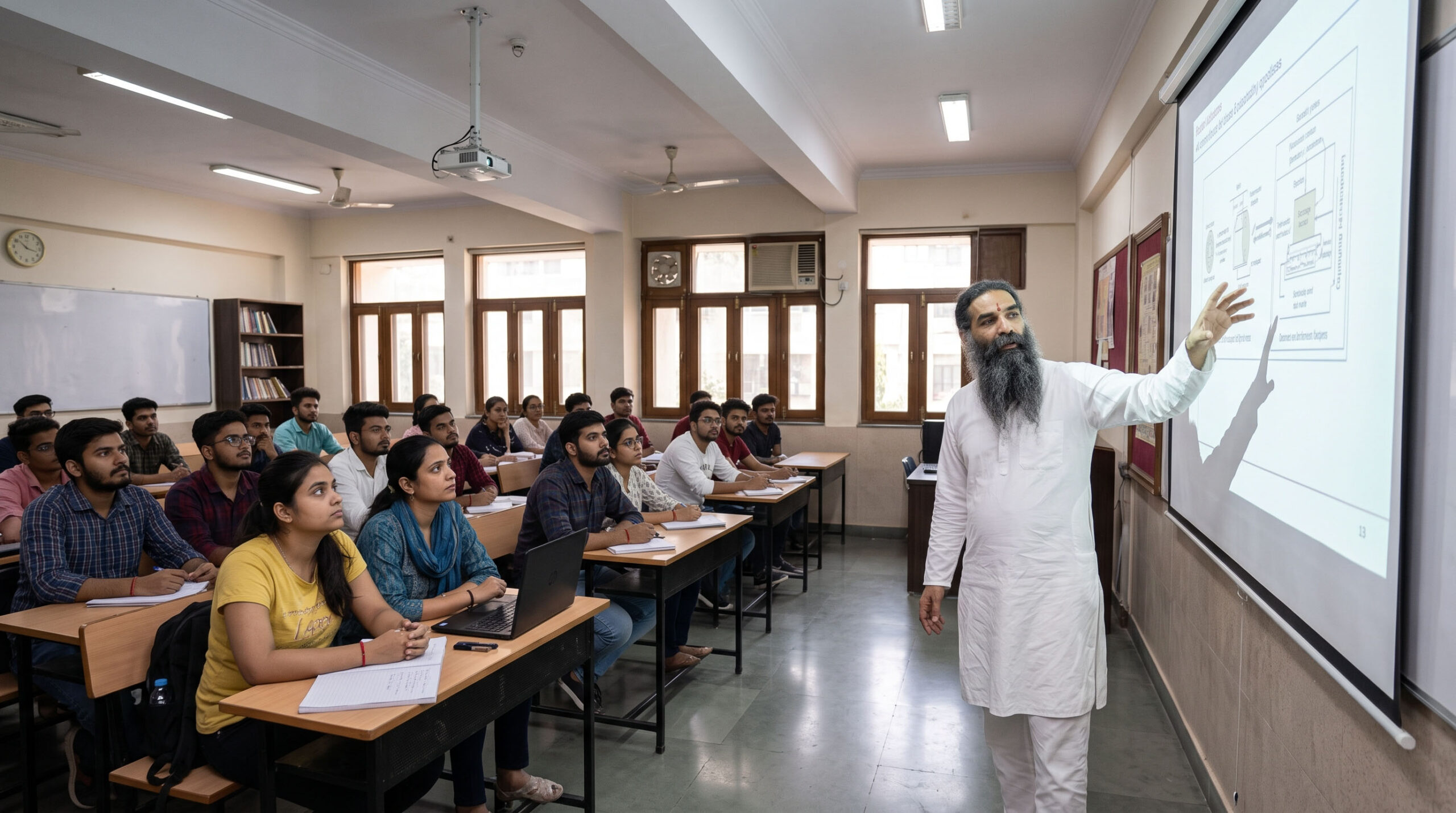
In the tradition of authentic Yogic science, a mantra is far more than a repeated phrase or positive affirmation. Rooted in the classic etymology—“Mananāt trāyate iti mantraḥ” (that which liberates the mind through constant contemplation)—mantra practice serves as a direct bridge from mental agitation to inner silence.
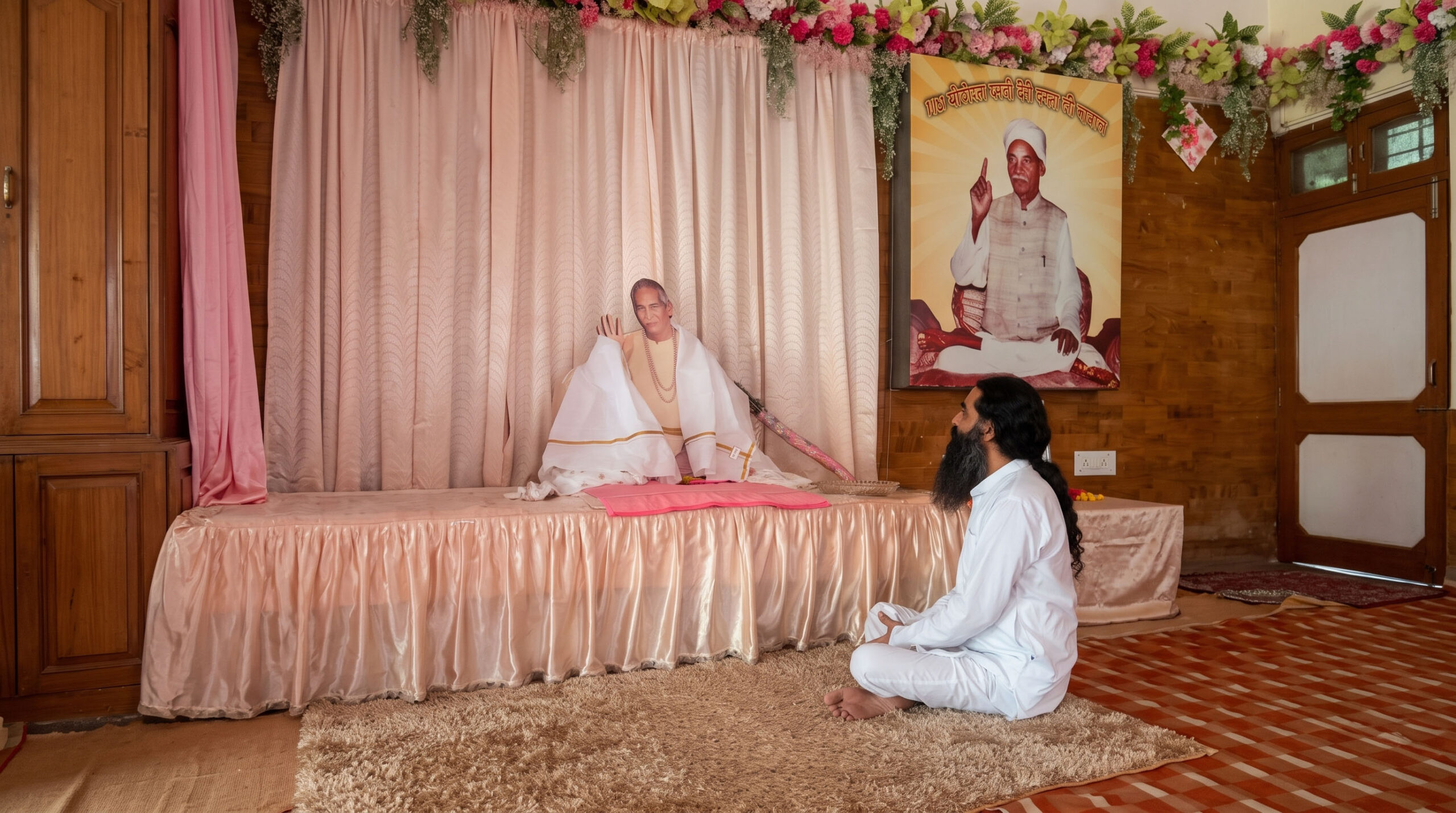
the human life finds its true purpose and fulfillment through the awakening of meditation power (Dhyana Shakti). At the core of this inner awakening lies the sacred initiation into a Beej Mantra (seed sound) transmitted through the grace of the Sadgurudev, accompanied by disciplined, contemplative repetition.
The Nature and Significance of Mantra
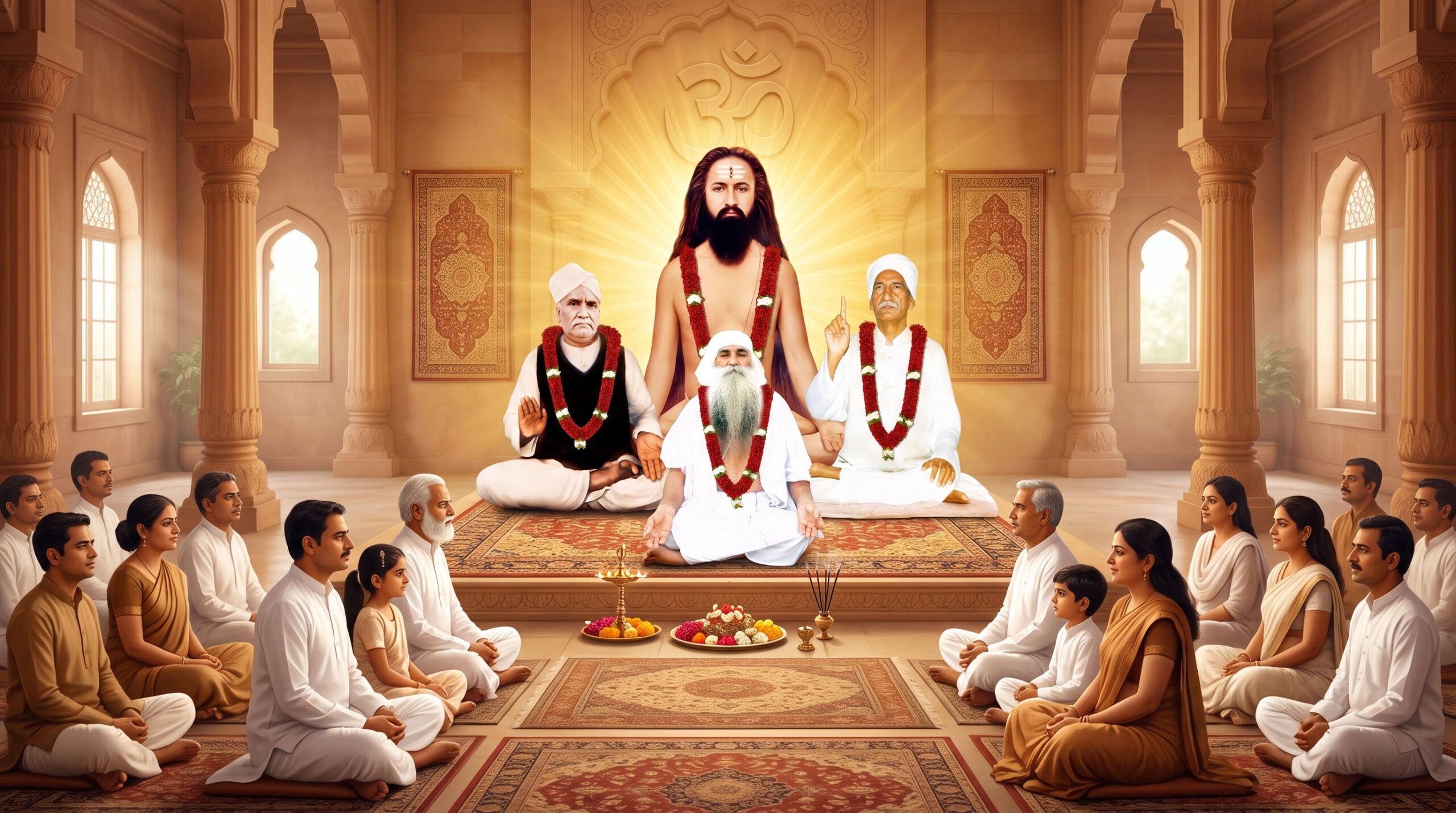
A mantra functions as a precise vibrational frequency designed to reorganize the subtle nervous system and quiet the oscillations of the chitta (mind-stuff). When bestowed through spiritual ordination (Diksha), the sound carries the living current of the lineage (Guru Parampara).
- Awakening Latent Awareness: The repetition of a consecrated mantra clears subconscious conditioning (samskaras), gradually loosening the grip of worldly attachments and emotional turbulence.
- Cultivating Eternal Peace: By shifting attention away from transient external stimuli toward the steady inner pulse of the sacred sound, the practitioner moves toward enduring contentment (Ananda).
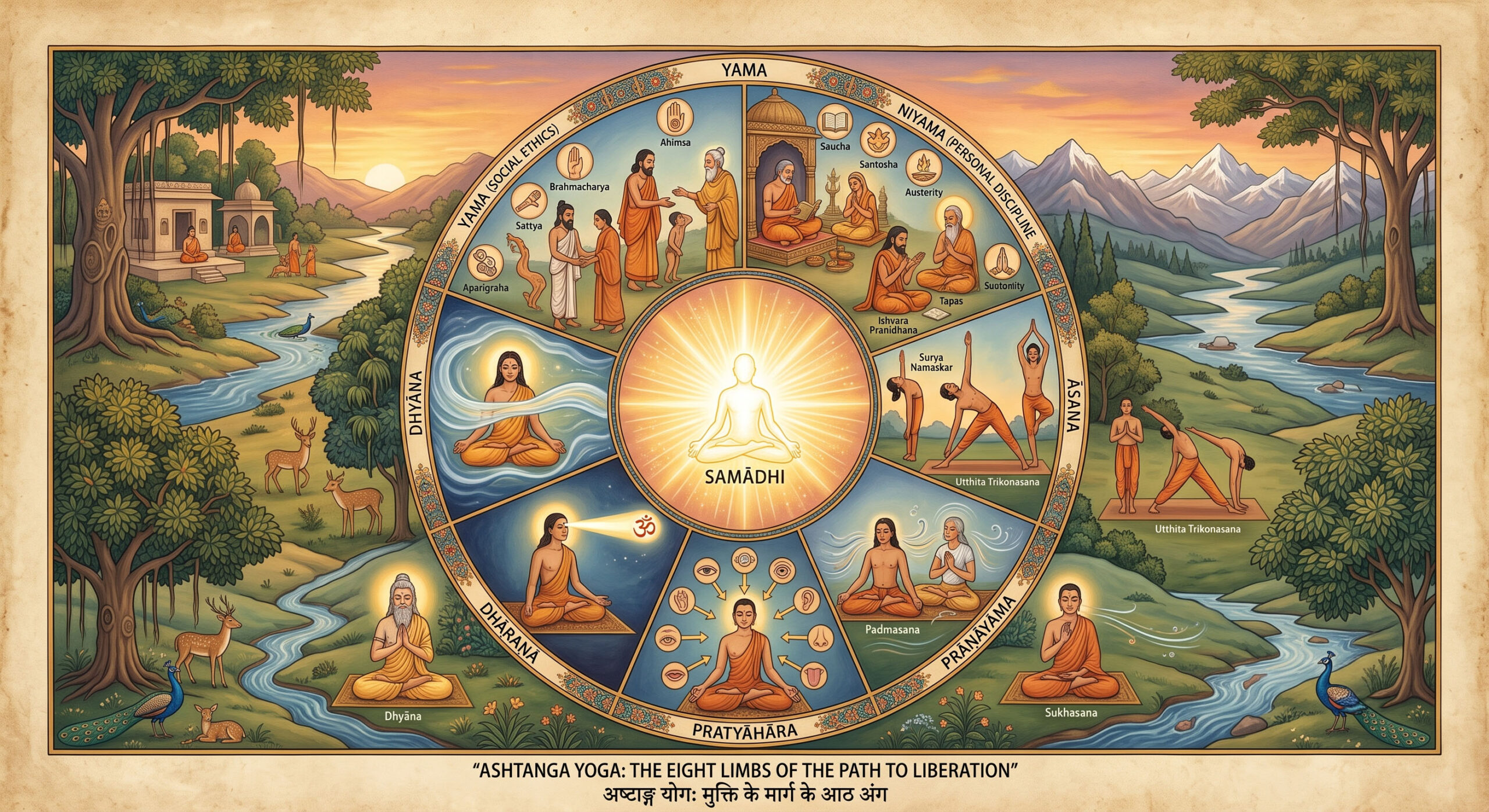
- Sharpening Concentration: Mantra acts as the anchor for Dharana (focused concentration), paving the way for spontaneous meditation (Dhyana) and complete absorption (Samadhi).
The Proper Method of Mantra Practice (Japa Sadhana)
Swami Amit Dev highlights that the efficacy of a mantra depends not simply on mechanical repetition, but on the alignment of breath, posture, precise articulation, and deep inner feeling (Bhava).
1. Preparation and Posture (Asana)
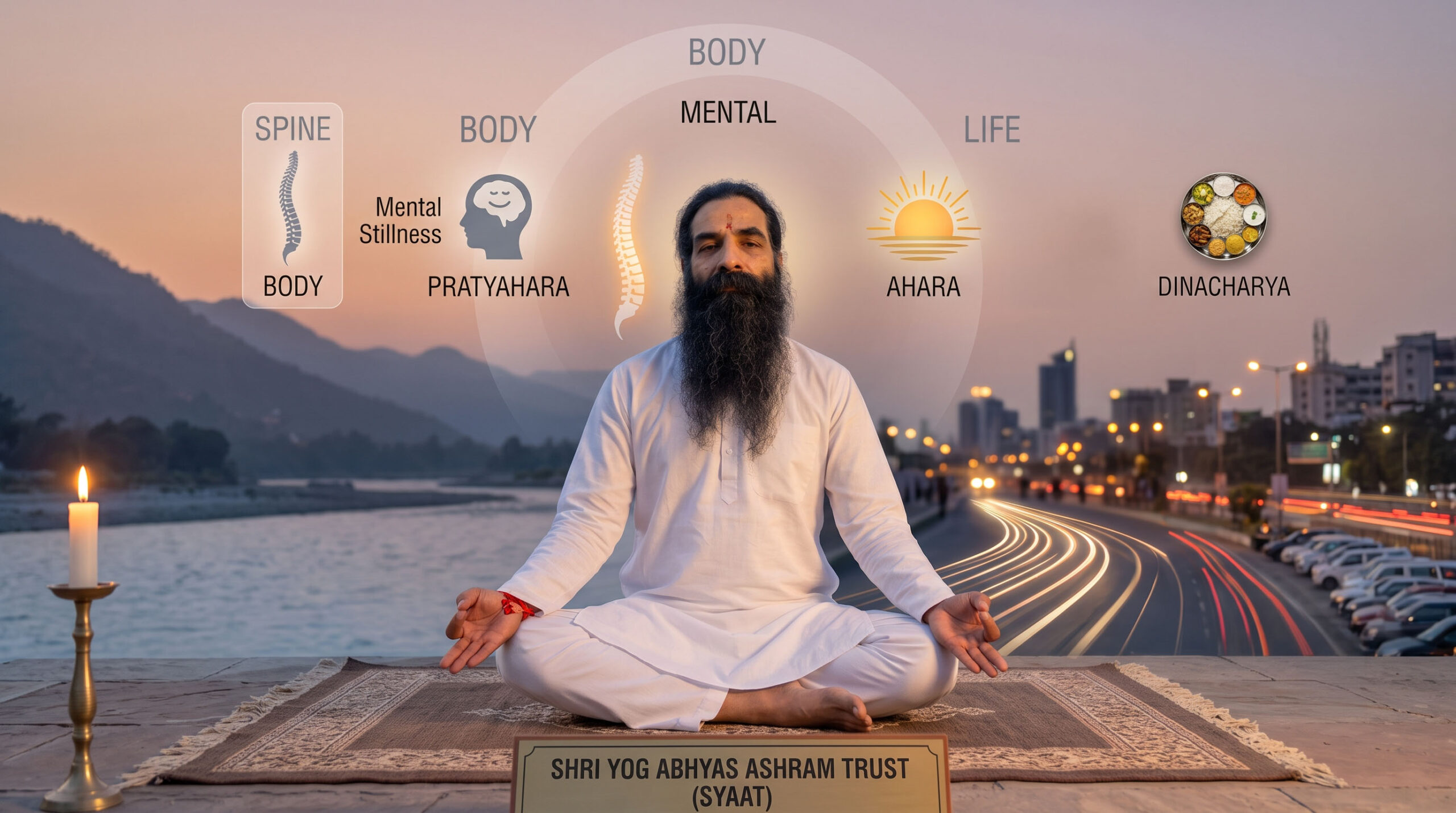
- Steadiness and Ease: Sit in a steady, comfortable posture—such as Padmasana, Siddhasana, or Sukhasana—ensuring the spine, neck, and head remain vertically aligned.
- Relaxation of the Body: Physical stillness stabilizes the flow of Prana (vital energy). Tensions in the shoulders, jaw, and brow should be consciously released before starting.
2. Breath and Mental Attitude (Bhava)
- Pure Intention: Approach the practice with reverence, humility, and gratitude toward the Sadguru and the divine reality.
- Harmonizing with Breath: Begin with gentle, conscious diaphragmatic breathing. In many yogic practices, the mantra is synchronized with the natural inflow and outflow of breath, making the repetition effortless.
3. Precision in Pronunciation (Shuddha Uccharana)
- Sanskrit syllables are energetic keys. Each syllable stimulates specific points in the palate and brain centers.
- Correct pronunciation ensures that the physical and subtle vibrations align precisely with the intended spiritual frequency.
4. The Three Stages of Contemplation
True Japa evolves through progressive refinement:
- Vaikhari (Audible): Chanting aloud or in a gentle whisper. This stage anchors a restless mind and clears external auditory distractions.
- Upamshu (Whispering / Silent Lip Movement): The lips move faintly, but the sound is audible only to the practitioner. This deepens interiorization.
- Manasika (Mental Repetition): The mantra reverberates purely within consciousness, without tongue or lip movement. This is the subtlest and most potent form, leading directly into deep perception (Dhyana).
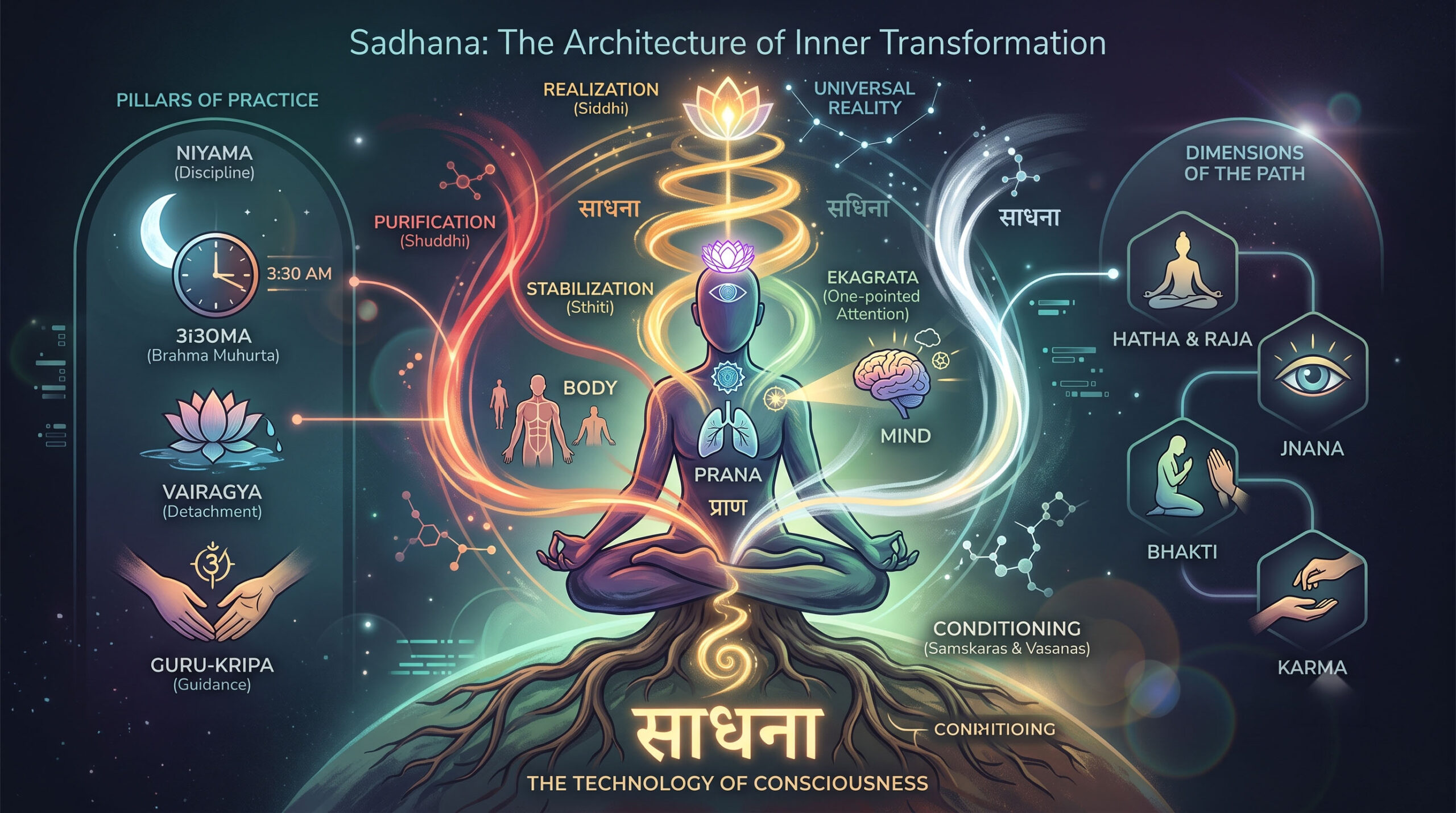
Integrating Mantra into Daily Sadhana
To bear fruit, mantra practice must be woven into regular life with consistency and patience:
- Sadhana Timings: The early morning hours (Brahmamuhurta) or quiet twilight periods provide the ideal energetic atmosphere for japa.
- Perception and Awareness: As the chanting settles, rest in the vibration that remains. Observe the quiet space between thoughts, allowing the sense of individual doership to dissolve into silent awareness.
Through sincere dedication, exactitude in practice, and devotion to the Sadguru, mantra becomes a living force—dissolving inner friction and leading the seeker toward liberation and lasting spiritual harmony.





Leave a Reply