In an era where yoga is frequently reduced to physical calisthenics, athletic flexibility, or commercialized wellness trends, Swami Amit Dev—Pradhan Yogacharya of Shri Yog Abhyas Ashram Trust (SYAAT) —champions a return to classical Vedic Yog as a transformative science of consciousness, physiological healing, and spiritual self-realization.
Swami Amit Dev
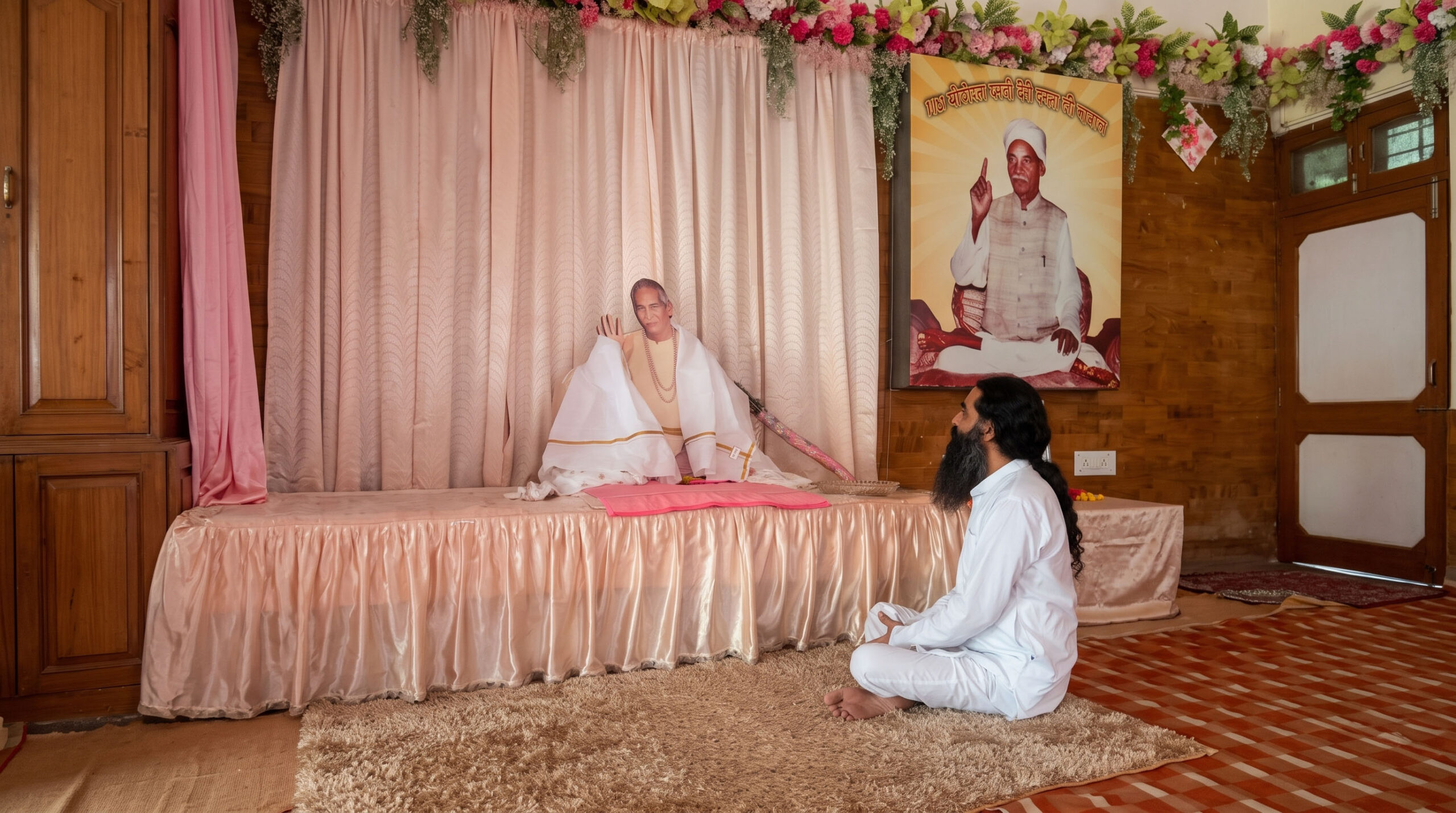
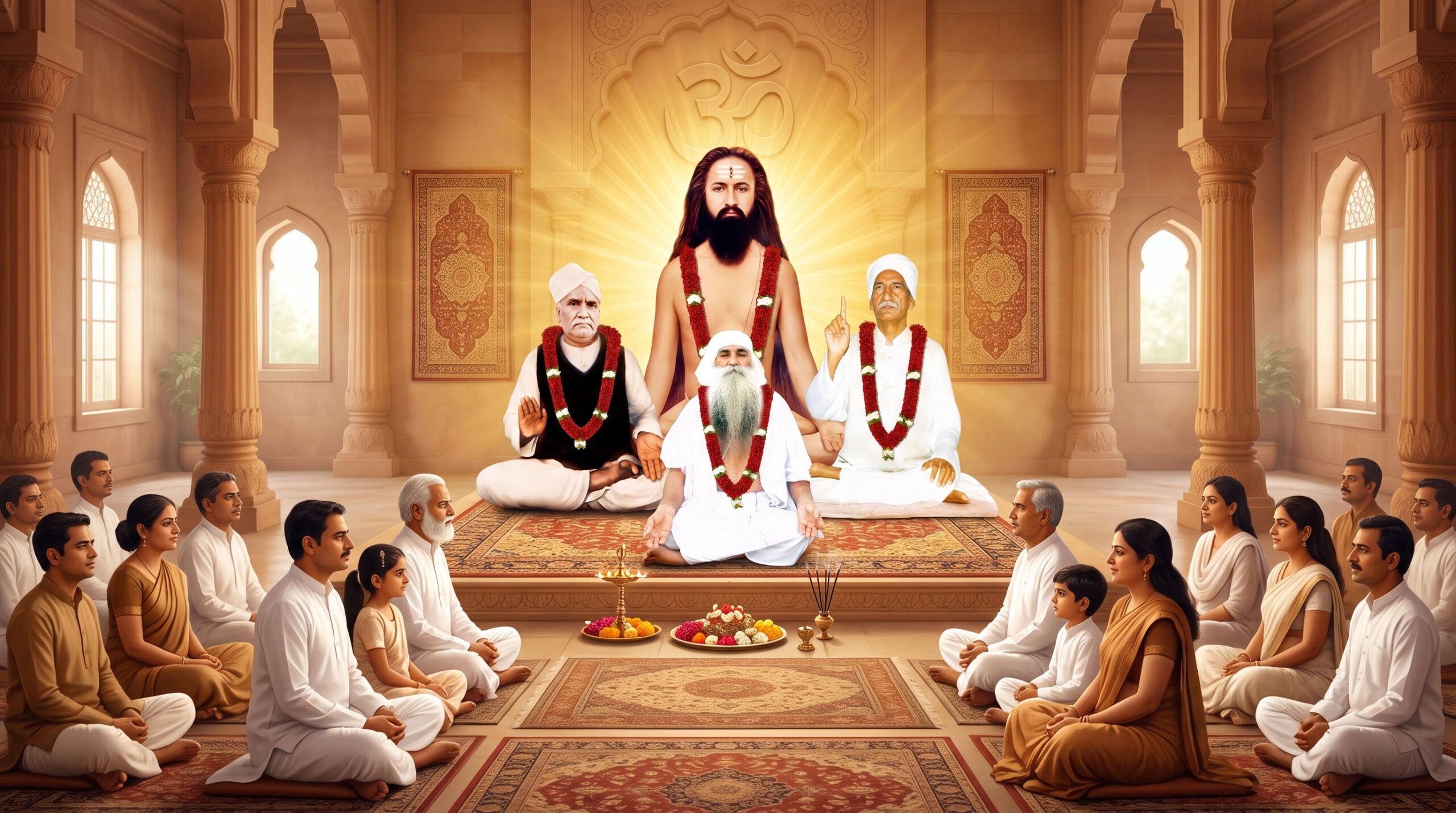
Rooted in the lineage of Yogeshwar Ramlalji Maharaj, Yogeshwar Mulakh Rajji Maharaj, and Yogeshwar Devi Dayalji Maharaj, his philosophy bridges ancient Sanatan spiritual wisdom with the practical, psychological, and biomedical demands of modern living.
Forbes India
1. Beyond Asana: Yog as a Conscious Way of Living
At the core of Swami Amit Dev’s teachings is the principle that Yog is not merely an activity one performs on a mat, but a conscious state of being.
Swami Amit Dev
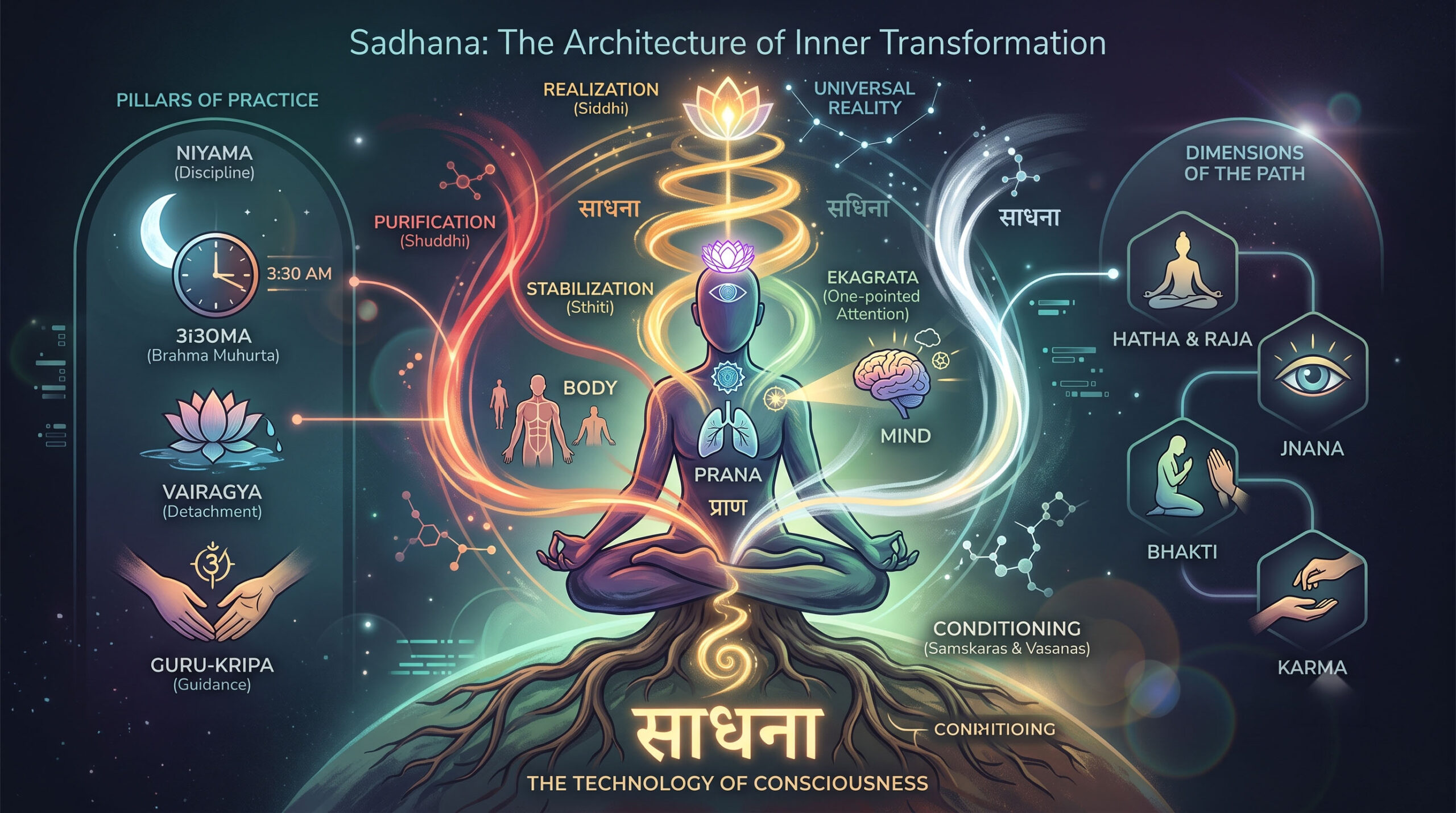
- Discipline into Devotion (Sadhana to Bhakti): Routine self-discipline (niyama) is transformed into a continuous inward offering. The physical body serves as the sacred temple and laboratory where consciousness is awakened.
- Integral Practice: Postural alignment (Asana) is merely the outer gateway. True Yog encompasses the comprehensive eightfold path (Ashtanga) alongside the four classic streams: Raja, Jnana, Bhakti, and Karma Yog.
- Universal Applicability: Vedic Yog is viewed as an innate human science, transcending divisions of nationality, religion, age, and cultural background.
2. Yog as a Scientific Therapy (Yogic Chikitsa)
A foundational pillar of this lineage is treating Yog as a precise, therapeutic science rather than an abstract philosophy.
Physical Impurities (Mala)      ──►  Shatkarmas & Kriyas
Pranic Disruptions (Vikshepa)   ──►  Pranayama & Mudras
Mental Oscillations (Chitta)    ──►  Pratyahara & Dhyana
                                 │
                                 ▼
                     Wholeness & Equilibrium
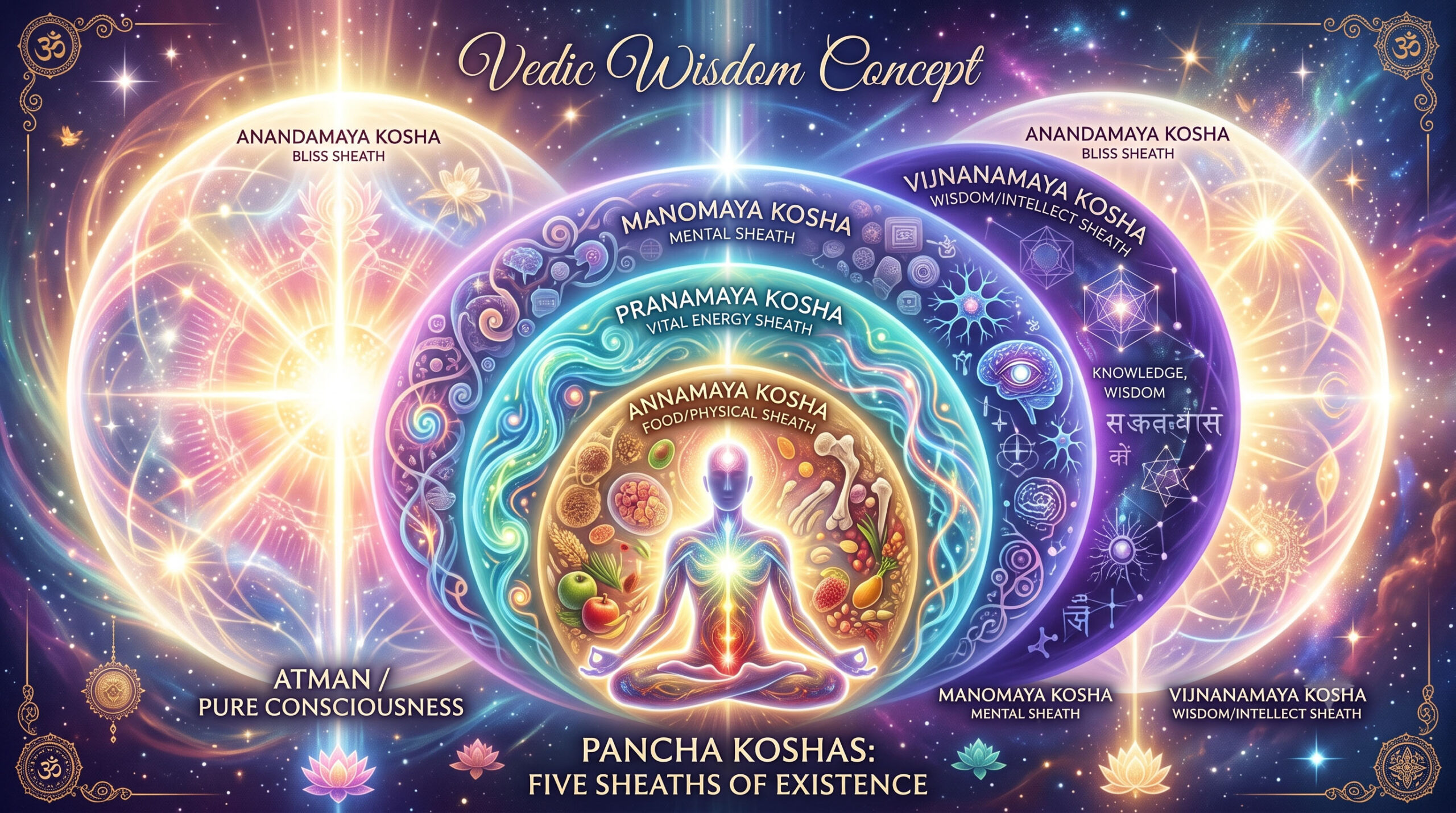
Swami Amit Dev emphasizes that modern chronic conditions—metabolic disorders, cardiovascular stress, and chronic inflammation—are rooted in pranic disharmony and mental restlessness (chitta vritti). Through structured cleansing techniques (Shatkarmas), regulated breathwork (Pranayama), and nerve-sealing locks (Mudras and Bandhas), the autonomic nervous system is re-anchored into parasympathetic dominance. Healing occurs naturally when the body\’s subtle life force (Prana) flows unimpeded.
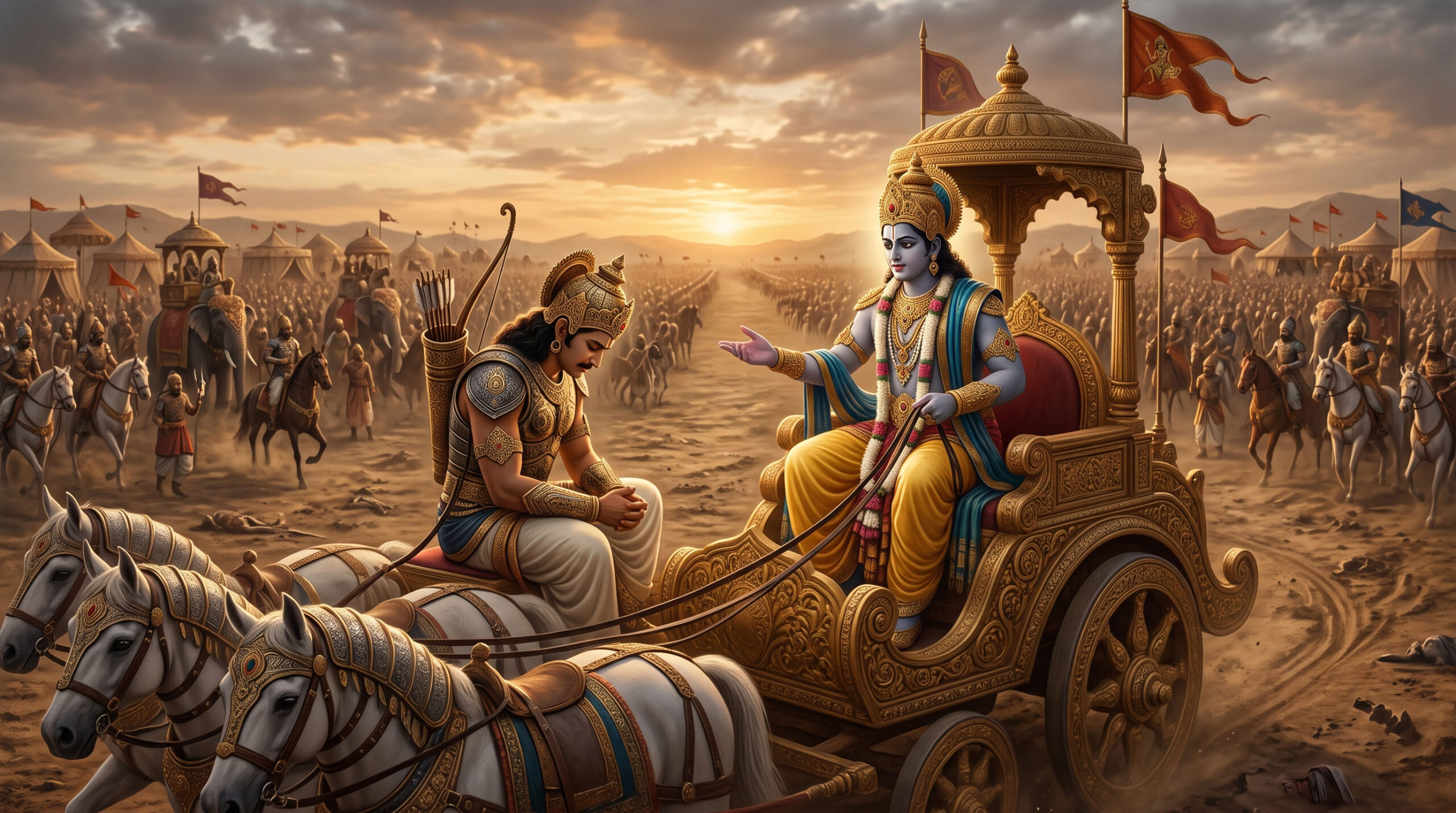
3. The Centrality of Guru Parampara and Guru Kripa
In modern self-directed culture, spiritual practices are often picked up haphazardly. Swami Amit Dev strongly upholds the necessity of Guru Parampara—the unbroken chain of realized masters.
syaat.org
\”The techniques of Yog are like seeds. Without the fertile ground prepared by the lineage and the light of Guru Kripa (grace), they remain dormant potentials rather than living realizations.\”
The Guru is not an external authority demanding blind allegiance, but a spiritual catalyst who:
- Calibrates practices to the seeker’s individual constitution and karmic temperament.
- Protects practitioners from the psychological pitfalls of ego-driven asceticism.
- Transmits the living current of energy (Shaktipat) necessary to awaken inner consciousness.
4. Grounding Spirit in Action: Seva and Global Outreach
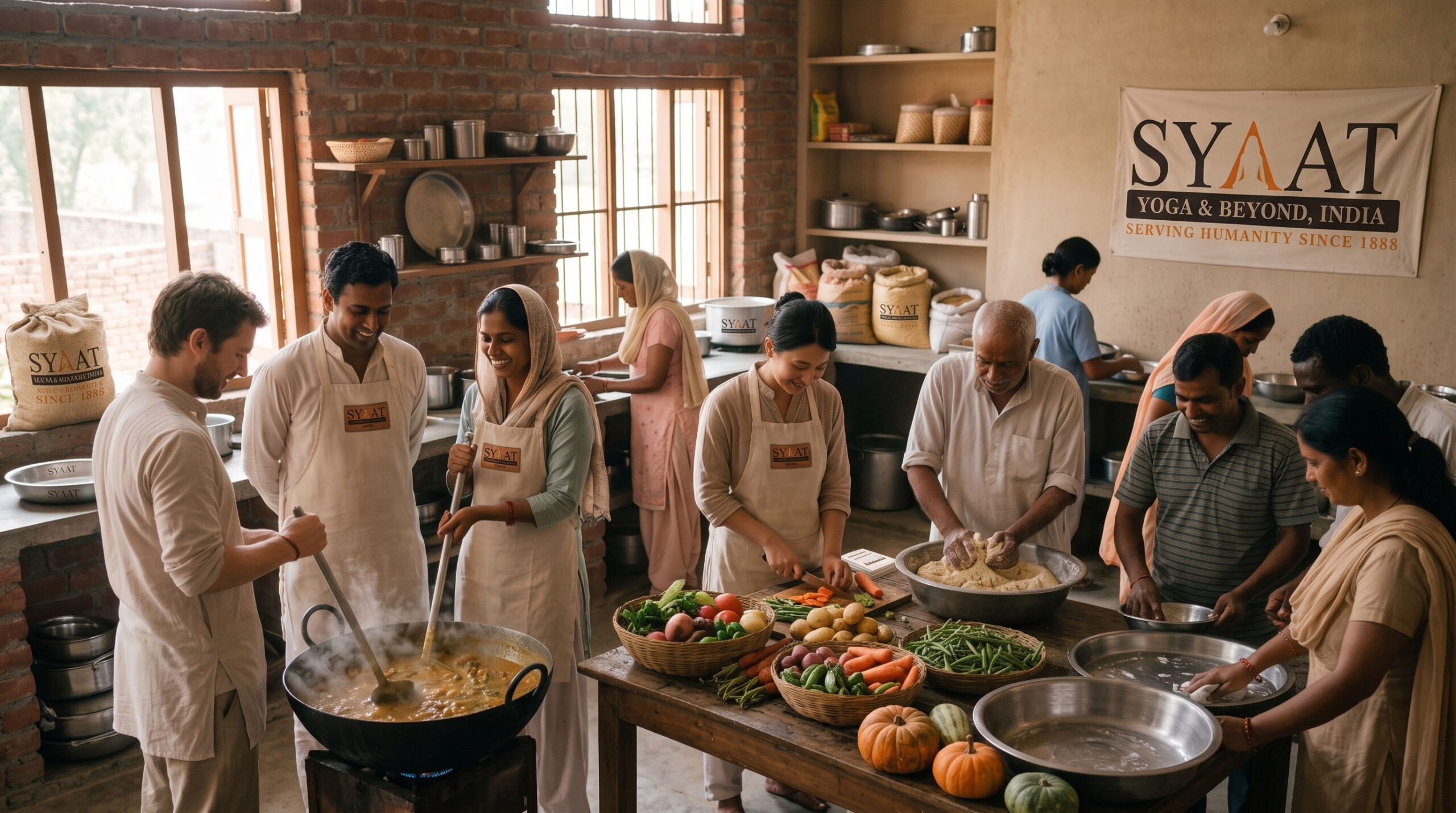
A distinguishing feature of Swami Amit Dev’s philosophy is that inner stillness must directly translate into active compassion. Spiritual realization is incomplete if it does not alleviate surrounding human suffering:
| Dimension | Philosophical Focus | Manifestation |
|---|---|---|
| Inner Temple | Samyama (Concentration, Meditation, Absorption) | Daily sadhana, breath mastery, mantra japa |
| Outer Society | Karma Yog & Nishkama Seva | Free yoga therapy camps, public welfare initiatives |
| Modern Workplace | Stress neutralization & mental clarity | Corporate wellness programs addressing burnout |
| Global Heritage | Preservation of Vedic Yog sciences | Standardized international training and workshops |
By balancing deep inward communion with dynamic social service, Swami Amit Dev frames Yog not as an escape from worldly duties, but as the ultimate empowerment to engage with the world with equanimity, vitality, and peace.