
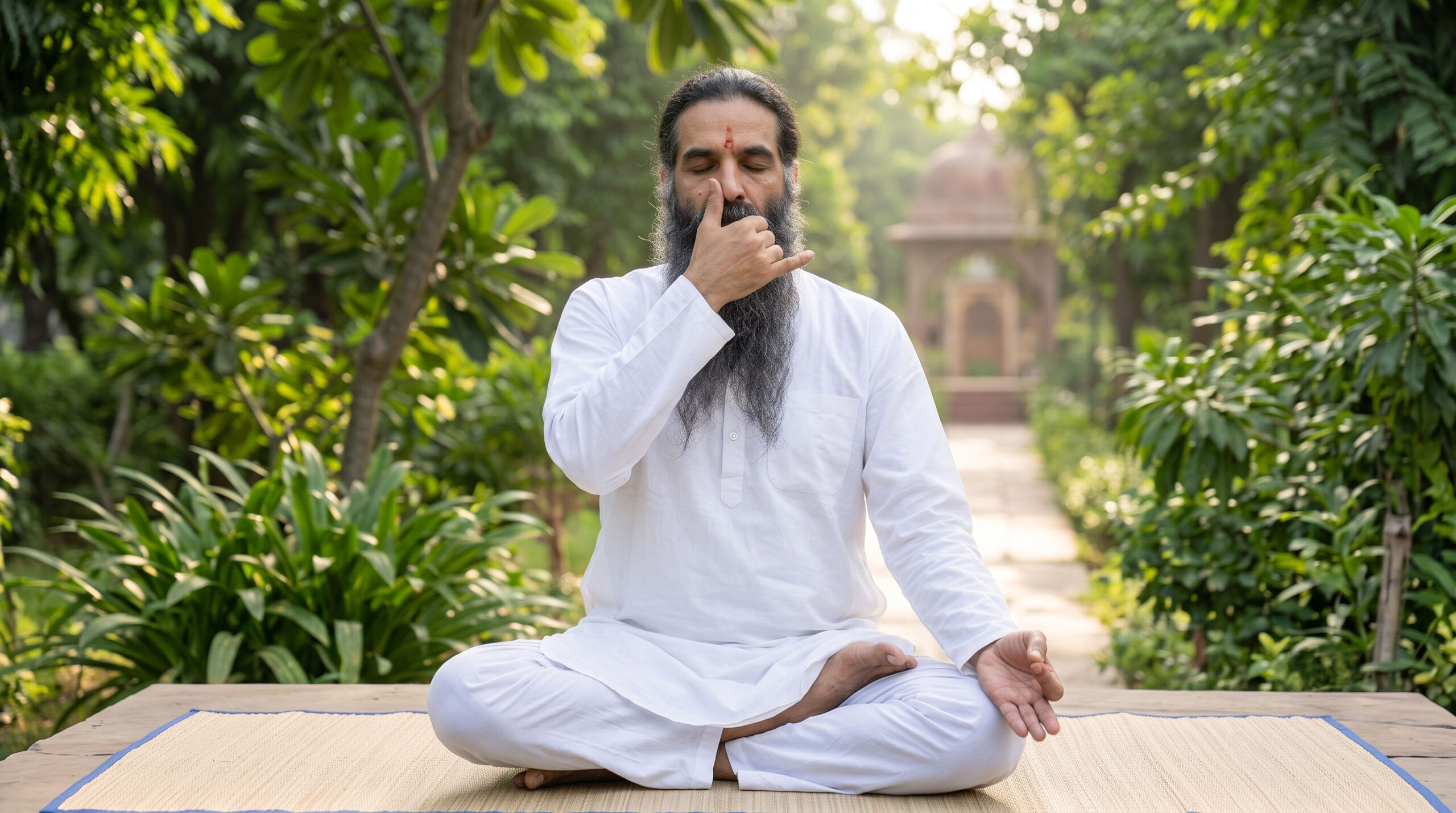
The Living Science of Pranayama
In contemporary discourse, Yoga is often reduced to postural acrobatics (asanas), while breathwork is viewed merely as a technique for momentary stress relief. Within the authentic Guru Parampara maintained at Shri Yog Abhyas Ashram Trust (SYAAT), Pranayama occupies a far deeper role: it is the bridge linking gross physical anatomy to subtle spiritual consciousness.
As taught by Swami Amit Dev, true Pranayama is neither mechanical breathing nor aggressive forced ventilation. It is the conscious mastery, expansion, and harmonisation of Prana—the vital life-force animating every cell, thought, and energetic channel (nadi).
1. Understanding Prana: The Subtle Matrix
The word Pranayama derives from two Sanskrit roots:
- Prana: The primordial life-force that governs physiological motion, neural impulses, and mental activity.
- Ayama: Expansion, elongation, and conscious mastery.
Pranayama is the deliberate expansion of personal vitality into universal cosmic rhythm. Patanjali’s Yoga Sutras (2.49) describe it as the pause or cessation of the irregular movement of inhalation (shvasa) and exhalation (prashvasa). When the breath is erratic, the mind fluctuates; when the breath is steady, the mind settles into stillness.
According to Swami Amit Dev\’s teachings, breath is the physical handle of the invisible mind. One cannot easily grasp or silence a racing thought directly through sheer will, but by mastering the rate, depth, and pauses of respiration, the nervous system naturally down-regulates, clearing mental clutter to make inner contemplation possible.
2. The Four Pillars of Pranayama
A balanced practice relies on understanding the four vital phases of respiration:
- Puraka (Conscious Inhalation): The measured intake of breath, drawing in fresh oxygen and vital energy without straining the chest or throat.
- Antar Kumbhaka (Internal Retention): Holding the breath within. Performed correctly under proper lineage guidance, retention builds cellular endurance and facilitates deep assimilation of Prana.
- Rechaka (Controlled Exhalation): The slow, steady release of breath. The exhalation should be smooth, whisper-quiet, and often twice the duration of inhalation to activate the parasympathetic nervous system.
- Bahir Kumbhaka (External Retention): The state of pause after complete exhalation, creating an internal stillness where the ego and mental turbulence momentarily subside.
3. Essential Practices and Their Physiological Nuances
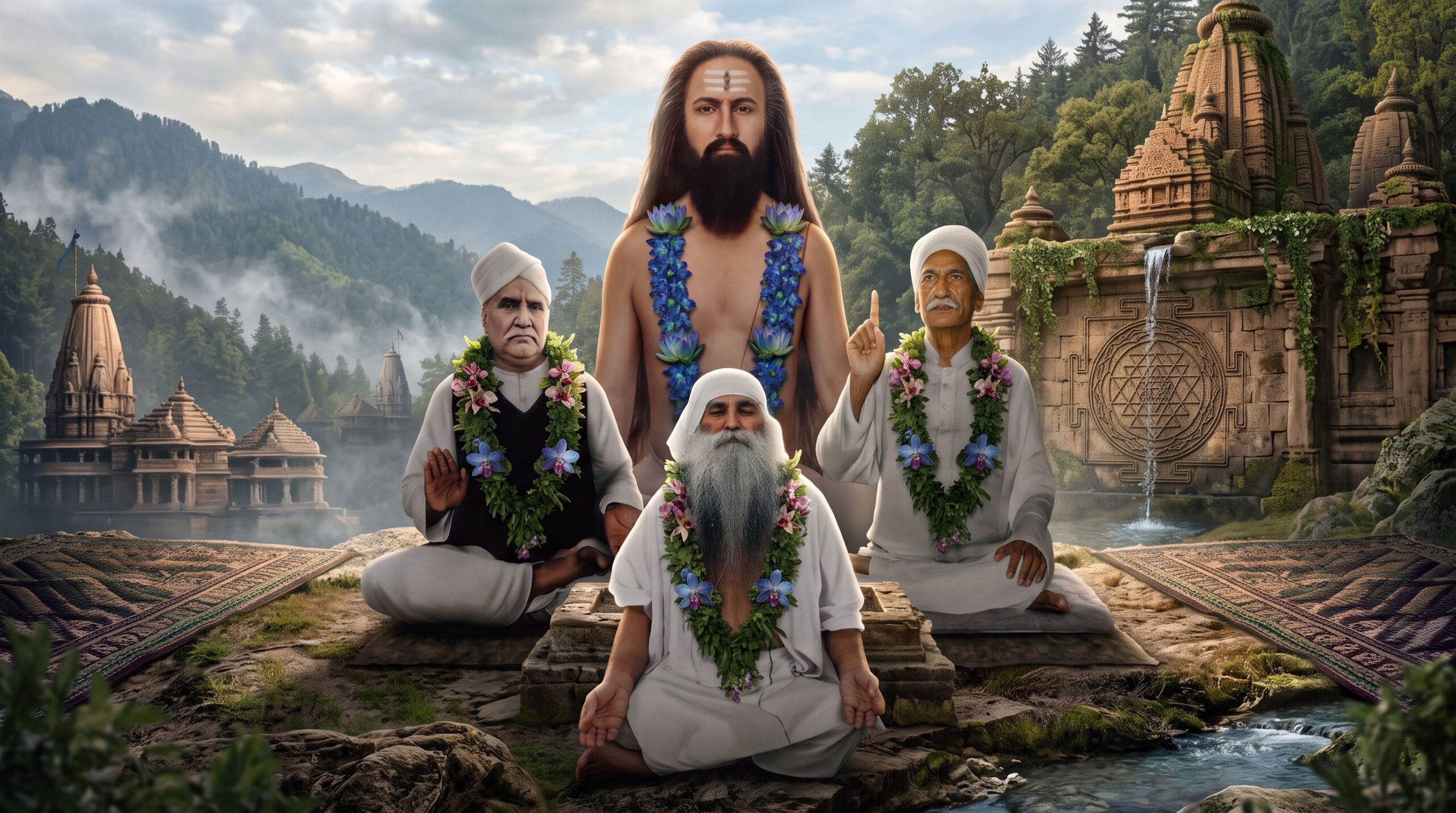
In the traditional lineage of Yogeshwar DeviDayal Ji Maharaj and the Vedic Yoga tradition preserved at SYAAT, Pranayama is approached progressively:
Nadi Shodhana (Alternate Nostril Purification)
- Mechanics: Regulating breath systematically between the left nostril (Ida, cooling lunar channel) and the right nostril (Pingala, warming solar channel).
- Significance: Balances the autonomic nervous system, harmonises left- and right-brain hemispheric activity, and prepares the central channel (Sushumna Nadi) for deeper states of meditation.
Kapalabhati (Frontal Lobe Cleansing)
- Mechanics: Rapid, rhythmic, active abdominal exhalations paired with passive, natural inhalations.
- Significance: Functioning as both a shatkarma (purification kriyā) and an energising breath, it invigorates the diaphragm, oxygenates sluggish tissues, and expels stagnant carbon dioxide from the lower lobes of the lungs.
Bhramari (The Humming Resonance)
- Mechanics: Smooth inhalation followed by a slow exhalation while producing a steady, soft, low-frequency buzzing sound in the cranium.
- Significance: Generates mechanical vibration that stimulates nitric oxide production in the nasal airways and activates the vagus nerve, quieting anxiety, hypertension, and emotional agitation.
Sheetali & Sheetkari (The Cooling Currents)
- Mechanics: Drawing the breath across the curled tongue or closed teeth, followed by standard exhalation through the nose.
- Significance: Pacifies excess heat (Pitta), reduces inflammation, and cools both digestive fire and irritable temperament.
4. Therapeutic and Spiritual Harmony
Swami Amit Dev frequently emphasises that Pranayama must be approached not as a mechanical chore, but as an act of dedicated communion between body and spirit.
- Physical Restoration: Systematic regulation of breath increases lung capacity, improves heart-rate variability (HRV), and enhances cellular detoxification.
- Mental Equilibrium: Deep rhythmic breathing trains the prefrontal cortex to manage emotional reactivity, breaking the habitual patterns of chronic modern stress.
- Spiritual Awakening: As the nadis purify, energy flows toward the central channel (Sushumna), turning scattered sensory focus inward (Pratyahara) and setting the foundation for true meditation (Dhyana).
5. Golden Rules for Seekers
To derive the pure nectar of Pranayama without harm, the classical lineage prescribes clear safeguards:
- Time and Space: The early morning (Brahma Muhurta) or dusk is ideal, in a clean, ventilated, calm space free from strong drafts or synthetic scents.
- Empty Stomach: Practice at least 3.5 to 4 hours after a full meal, or in the morning before breakfast.
- No Strain (Ahimsā in Practice): Never force retention or gasping inhalations. The breath must remain graceful, silent, and measured.
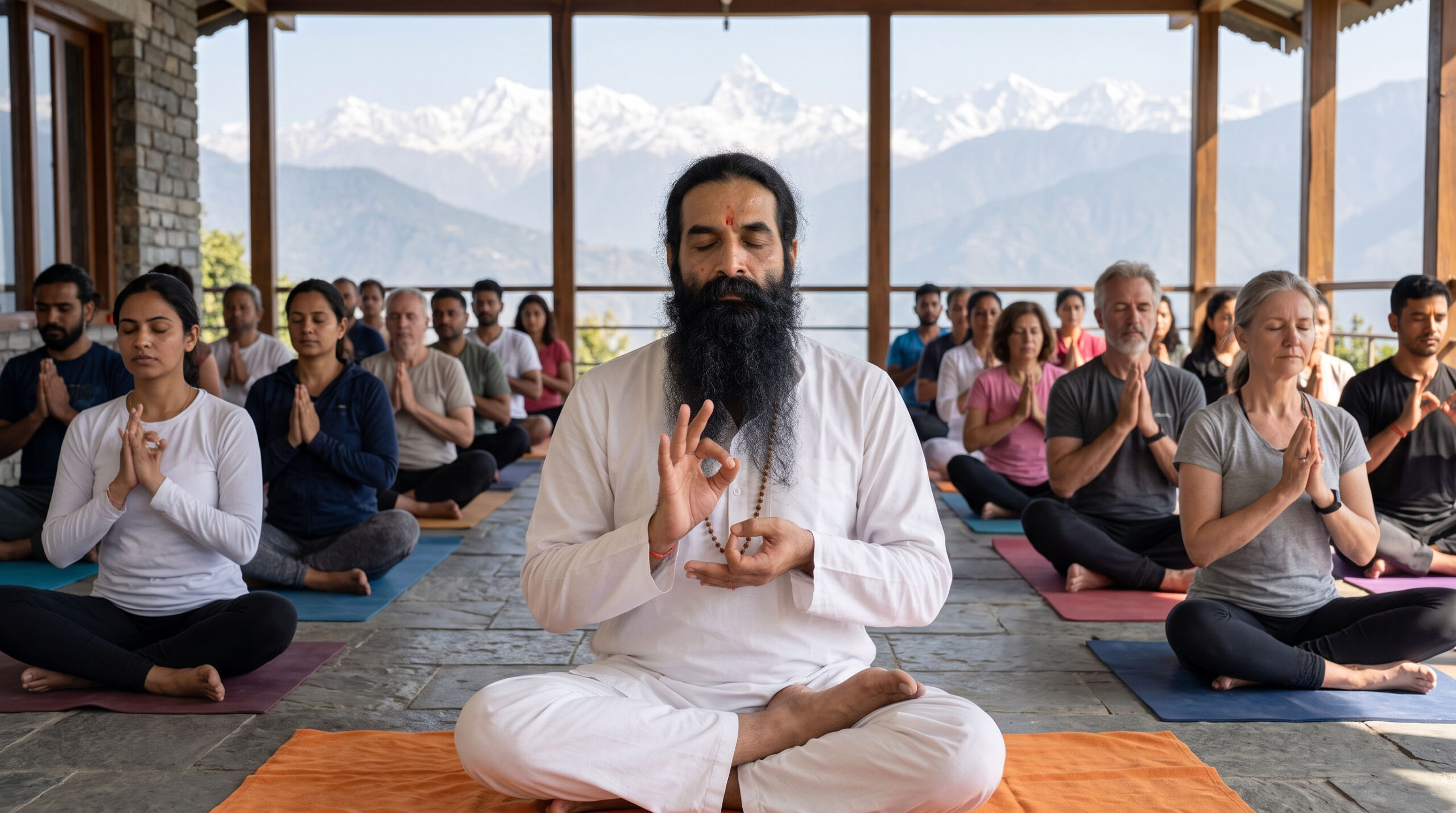
- Guru Kripa & Direction: Advanced techniques involving prolonged Kumbhaka and powerful Bandhas (energetic locks—Mula, Uddiyana, Jalandhara) require guidance under a realized teacher or authentic tradition to prevent nervous exhaustion.
Pranayama is the sacred science of aligning your individual pulse with the breath of the universe. When practiced with patience, humility, and regular dedication, each breath ceases to be an automatic reflex and becomes an offering of conscious living.


Leave a Reply