
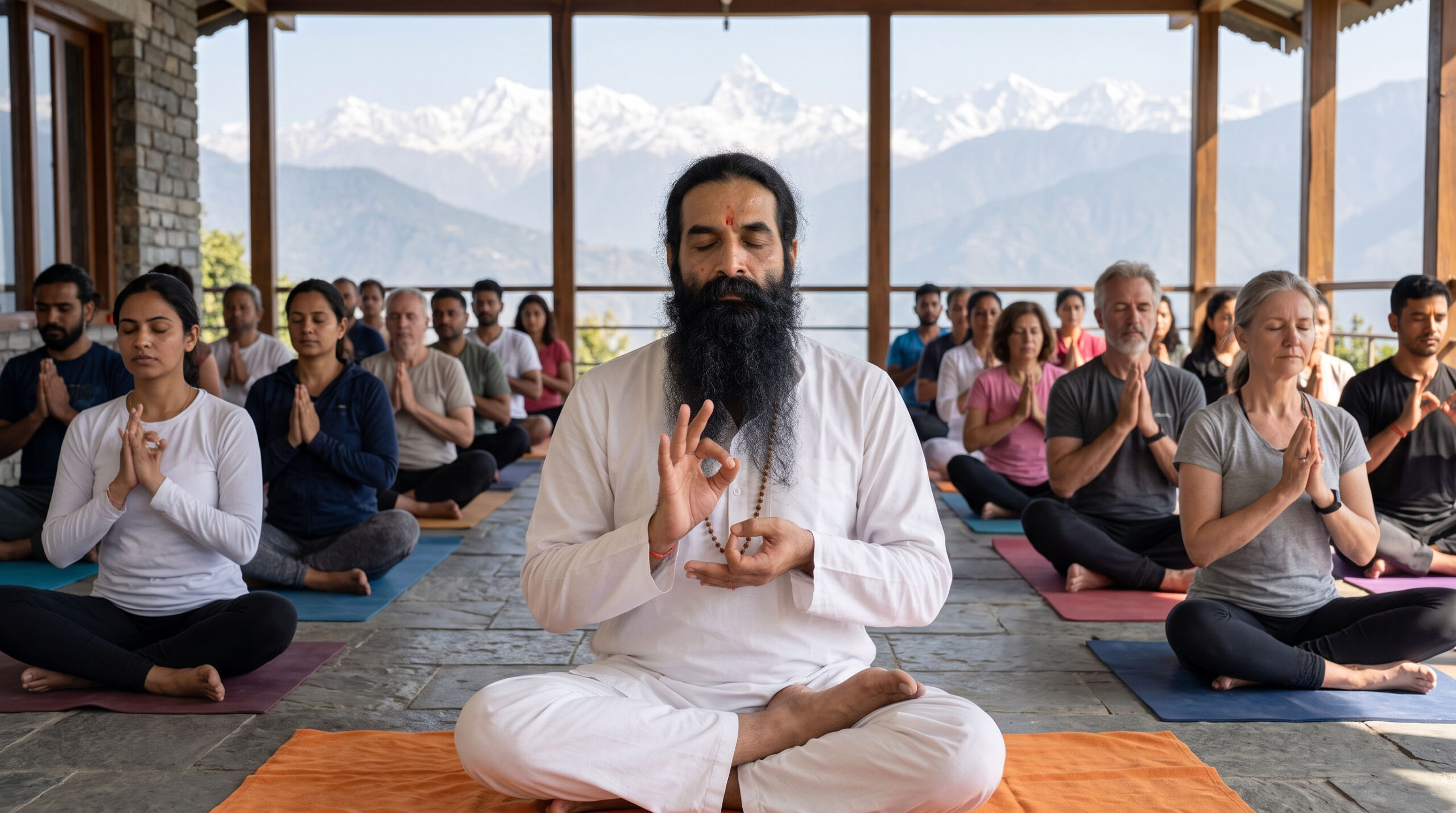
Awakening Prana Through Sacred Seals
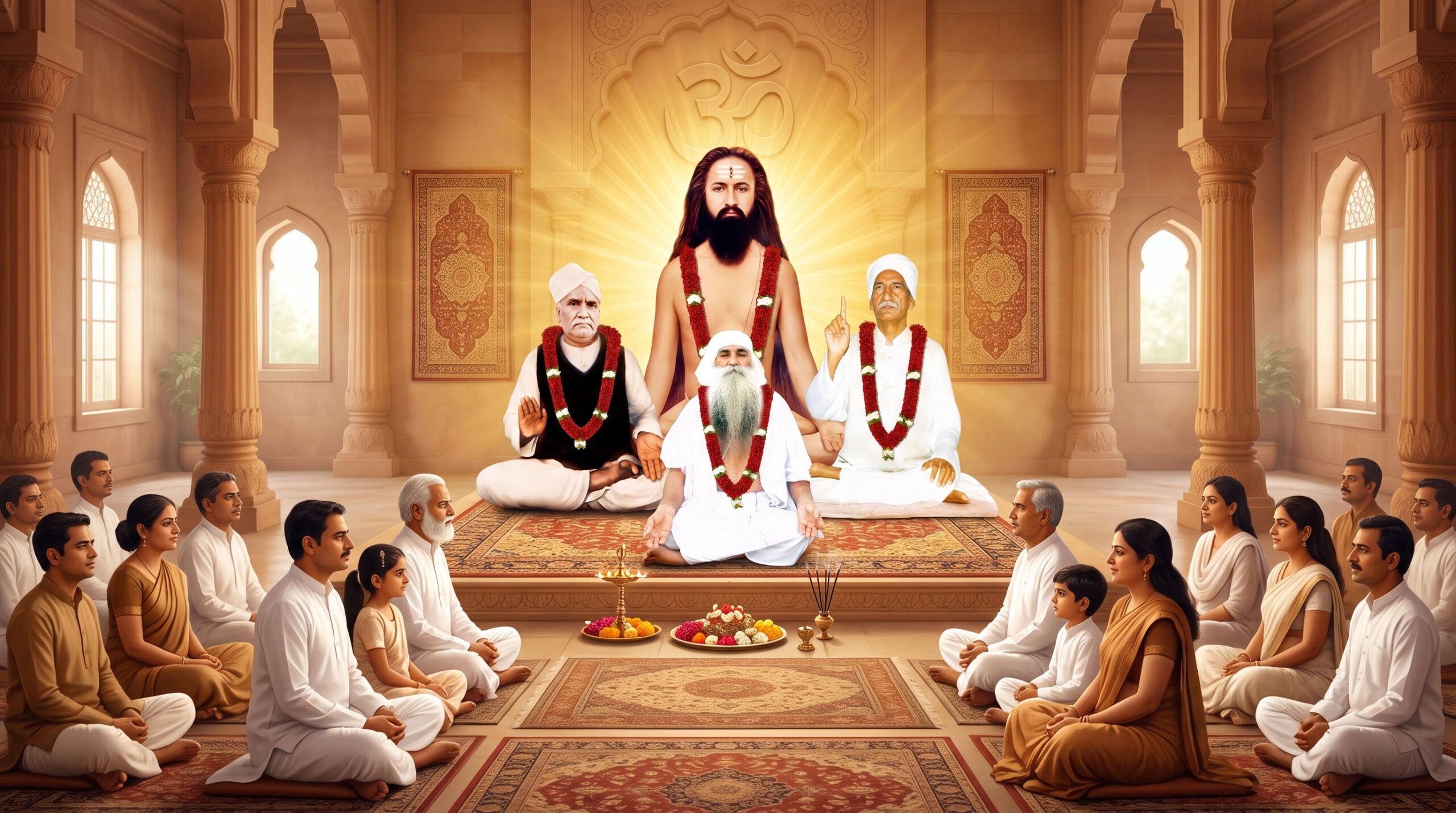
In authentic Yog shastra, the physical body serves as an instrument for subtler energetic transformations. While asanas align the skeletal and muscular systems, Mudras (energy seals) govern the electro-magnetic and pranic currents flowing through the nadis. Under the revered teachings of the Mahaprabhu Ramlal Ji lineage, represented by Swami Amit Dev, mudras are understood not as passive symbolic gestures, but as scientific circuits that preserve, redirect, and elevate Prana(vital life force).
The Metaphysics and Anatomy of Mudra Vigyan
The term Mudra originates from Sanskrit roots signifying that which seals, seals in bliss, or dissolves energetic impurities.
The human hands and brain share a profound neurological connection. The motor cortex dedicates an immense proportion of its surface area to the hands, fingers, and face. When finger contacts are formed in specific alignments, they complete closed bio-electrical loops. Instead of dissipating outward through sensory exertion, Prana is reflected inward toward the central channel (Sushumna Nadi) and higher cerebral centers.
The Five Elements (Pancha Mahabhutas)
According to Yog philosophy, physical disease and mental disturbances emerge from elemental disequilibrium. The fingers act as organic antennae and regulators for the five cosmic elements:
| Finger | Sanskrit Element | Cosmic Quality | Physiological & Mental Sphere |
|---|---|---|---|
| Thumb | Agni (Fire) | Radiance, heat, transformation | Digestion, metabolism, willpower, cosmic consciousness |
| Index | Vayu (Air) | Movement, lightness, expansion | Nervous system, respiration, mind, ego |
| Middle | Akasha (Space / Ether) | Stillness, openness, vibration | Throat chakra, heart cavity, intuition, discernment |
| Ring | Prithvi (Earth) | Solidity, endurance, structure | Bones, tissues, vitality, physical stability |
| Little | Jala (Water) | Cohesion, fluidity, adaptability | Bodily fluids, blood, emotional equilibrium |
By touching, folding, or extending specific digits, a practitioner either kindles or pacifies these elements, initiating immediate shifts in the internal cellular environment.
How Many Mudras Exist in Yog Shastras?
Classical texts avoid an arbitrary single number, categorizing mudras according to depth of sadhana:
1. The Classical Hatha Seals
- Hatha Yog Pradipika: Formulates 10 Great Mudras (Maha Mudras) designed to awaken Kundalini Shakti and halt the downward descent of Bindu (lunar nectar). These include whole-body locks like Maha Bandha, Maha Vedha, Khechari, Viparita Karani, and Mula Bandha.
- Gheranda Samhita: Expands the system to 25 Mudras, incorporating postural seals like Ashvini Mudra, Bhujangini Mudra, and five elemental concentration techniques known as Pancha Dharana.
2. Daily Therapeutic & Meditative Mudras (Hasta Mudras)
In daily therapeutic practice, approximately 28 to 32 Hasta Mudras form the core repertoire for health optimization, emotional grounding, and mental steadiness.
Essential Hasta Mudras for Daily Sadhana
1. Gyan Mudra (Gesture of Wisdom)
- Technique: Join the tip of the index finger to the tip of the thumb. Extend the remaining three fingers straight yet relaxed.
- Function: Unites the individual soul (Vayu) with the Supreme (Agni).
- Benefits: Calms mental agitation, sharpens concentration, and supports deep meditative stillness.
2. Prana Mudra (Gesture of Vitality)
- Technique: Touch the tips of the ring and little fingers to the tip of the thumb, maintaining the index and middle fingers erect.
- Function: Kindles the Earth and Water elements via Fire, fueling the root (Muladhara) chakra.
- Benefits: Clears chronic lethargy, sharpens vision, and revitalizes the immune system.
3. Vayu Mudra (Gesture of Calming Air)
- Technique: Fold the index finger so its tip presses firmly against the fleshy root of the thumb; place the thumb over the bent index finger.
- Function: Pacifies an aggravated Air element (Vata dosha).
- Benefits: Reduces joint stiffness, alleviates digestive gas, and settles acute restlessness.
4. Dhyana Mudra (Gesture of Contemplation)
- Technique: Place the right hand over the left hand in the lap, palms facing upward, with the tips of the thumbs gently touching to form an upward triangle.
- Function: Harmonizes both cerebral hemispheres and stabilizes abdominal pranic channels.
- Benefits: Prepares the practitioner for profound absorption (Samadhi).
Principles of Practice
To derive the authentic benefits of Mudra Vigyan as taught in traditional lineages:
- Maintain Spinal Integrity: Always sit in a classical meditative posture—such as Padmasana, Siddhasana, or Sukhasana—with the head, neck, and spine aligned in a single vertical axis.
- Apply Soft, Conscious Touch: Mudra contact should be deliberate and feather-light. Muscular tension in the forearms or knuckles disrupts the subtle pranic pathway.
- Synchronize with Pranayama: Deep, unforced diaphragmatic breathing anchors the mind to the sensation of touch at the fingertips.
- Cultivate Regularity: Dedicate 15 to 45 minutes daily to a single selected mudra rather than rapidly shifting between multiple gestures.
When approached with reverent awareness, mudras cease to be mere hand positions—they become dynamic gateways to inner transformation, mental stillness, and self-realization.


Leave a Reply