
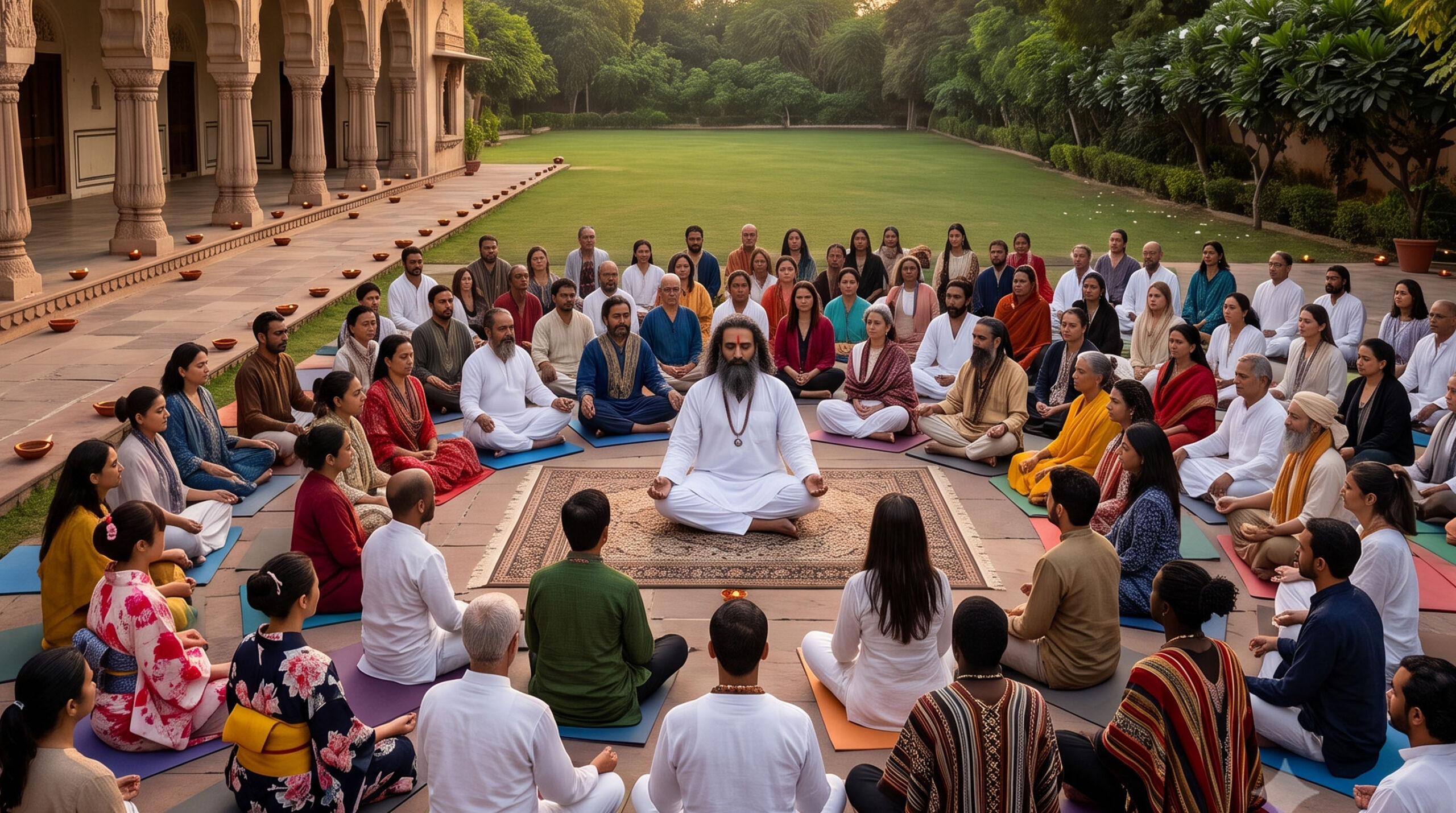
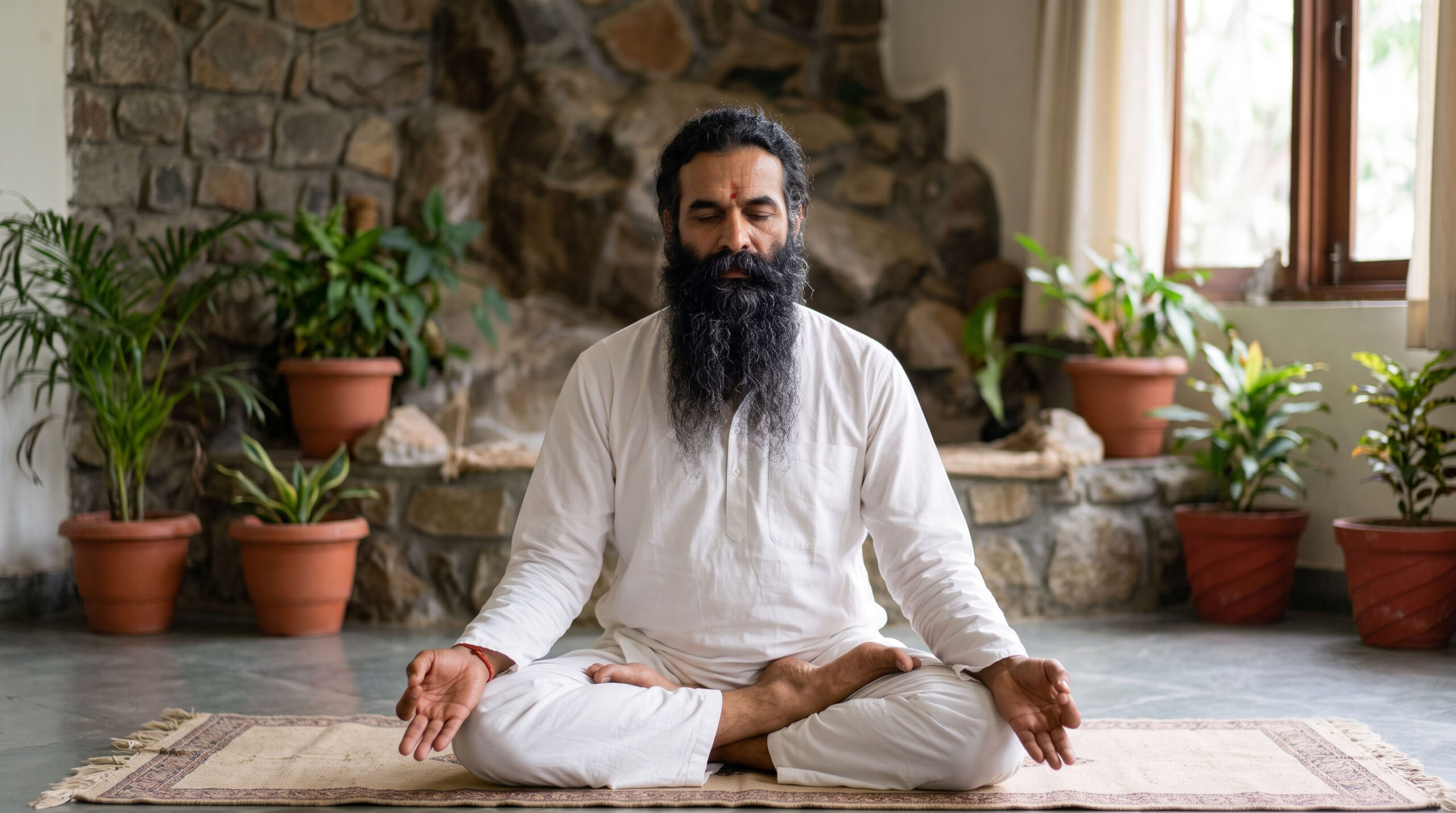
In the contemporary world driven by speed, digital hyper-connectivity, and relentless material pursuit, human life often finds itself estranged from its inner essence. Stress, mental fragmentation, and anxiety have become standard companions of daily living. Within the authentic tradition of Vedic Yog and the lineage established by Yogeshwar Ramlal Bhagwan, meditation (Dhyana) is neither an escape from reality nor a mere relaxation technique—it is a precise, scientific discipline aimed at restoring conscious harmony and realizing union with the divine.
swamiamitdev.com
1. Beyond Physical Exercise: The Yogic Purpose
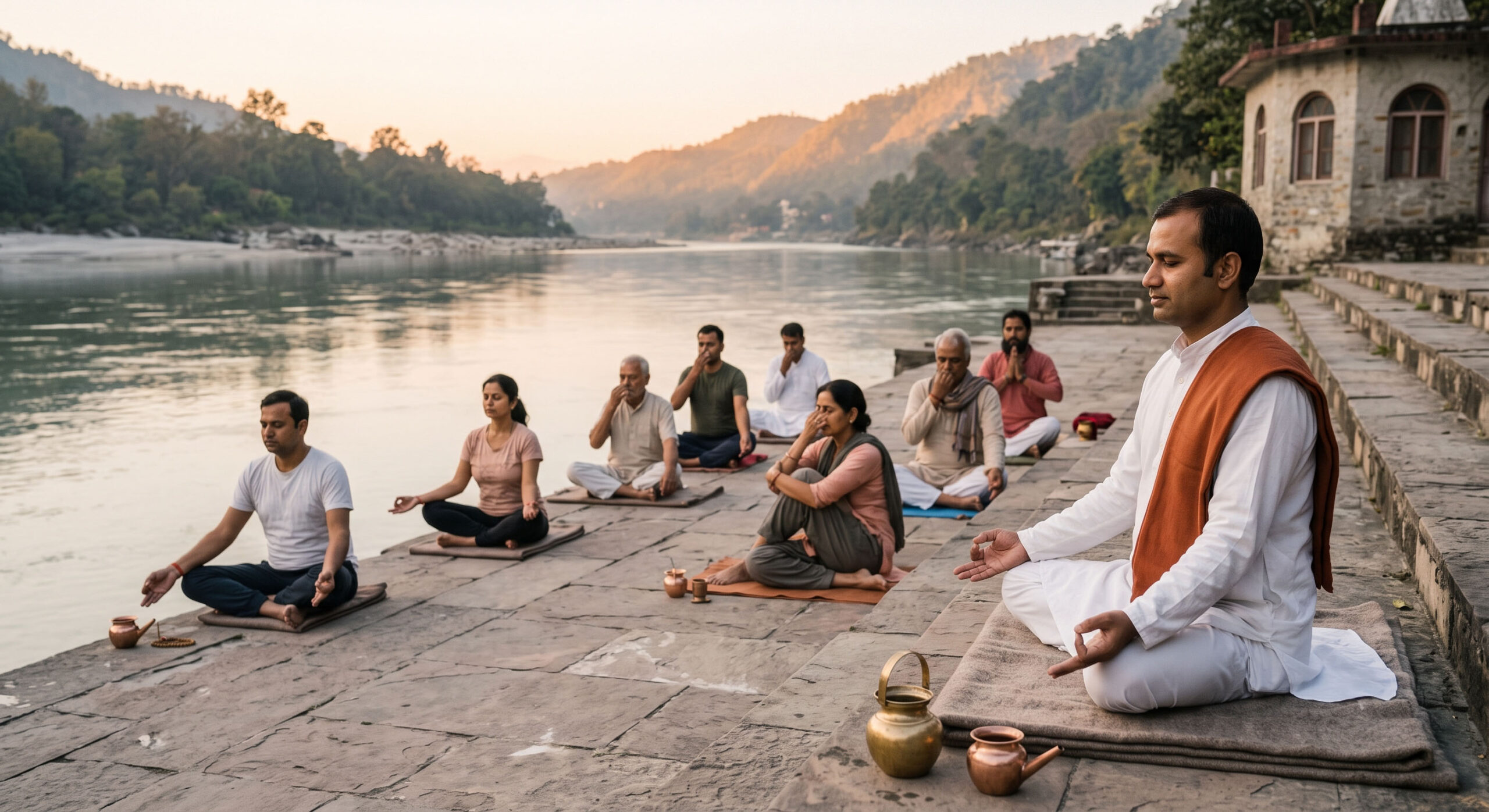
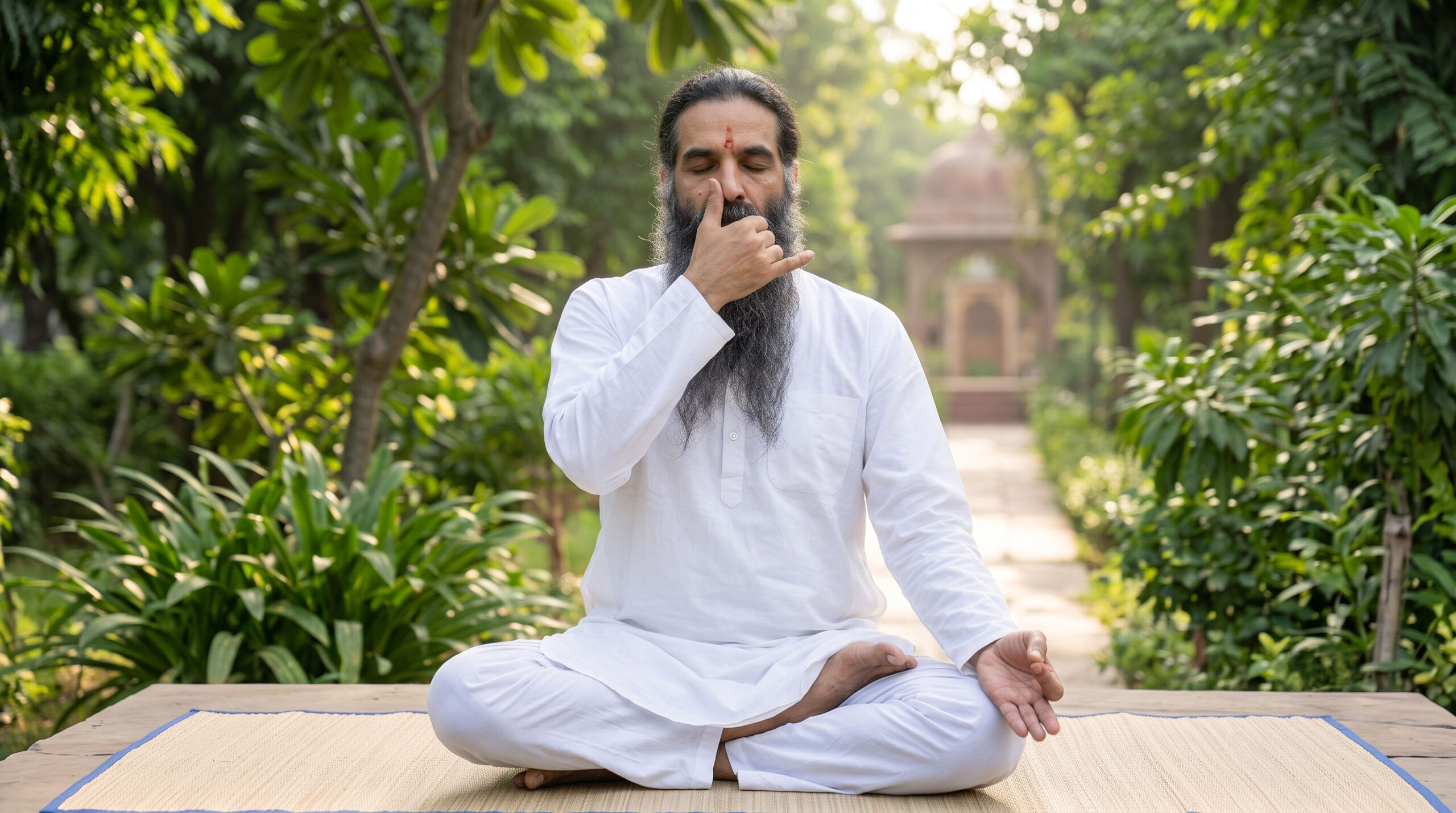
Yog is frequently misunderstood as a system confined to physical postures (asanas). While asana stabilizes the physical vessel and breathwork (pranayama) purifies the energetic pathways (nadis), they are ultimately gateways designed to steady the mind for meditation.
Meditation is the bridge connecting individual consciousness with universal awareness. When the senses turn inward (Pratyahara) and focus becomes unwavering (Dharana), meditation unfolds naturally. In this stillness, meditation:
- Enhances mental clarity and willpower.EverybodyWiki – EverybodyWiki Bios & Wiki
- Dissolves subconscious impressions (samskaras) of fear and anxiety.
- Awakens higher spiritual perception, cultivating faith and surrender to the supreme.
2. A Scientific and Holistic Remedy for Modern Stress
Meditation operates as a holistic cure, addressing human health on physical, energetic, and mental planes:
- Physiological Equilibrium: Deep meditative states shift the autonomic nervous system from chronic sympathetic fight-or-flight into restorative parasympathetic dominance, lowering cortisol and regulating blood pressure.
- Mastery Over the Mind: The mind by default moves erratically between past regrets and future projections. Meditation anchors the mind to the present moment, teaching practitioner to observe thoughts without reactive involvement.
- Universal Accessibility: Authentic Vedic meditation transcends cultural, religious, and geographic boundaries. It is a universal human technology available to seekers, students, and professionals alike.Forbes India
3. Core Pillars of Meditative Practice
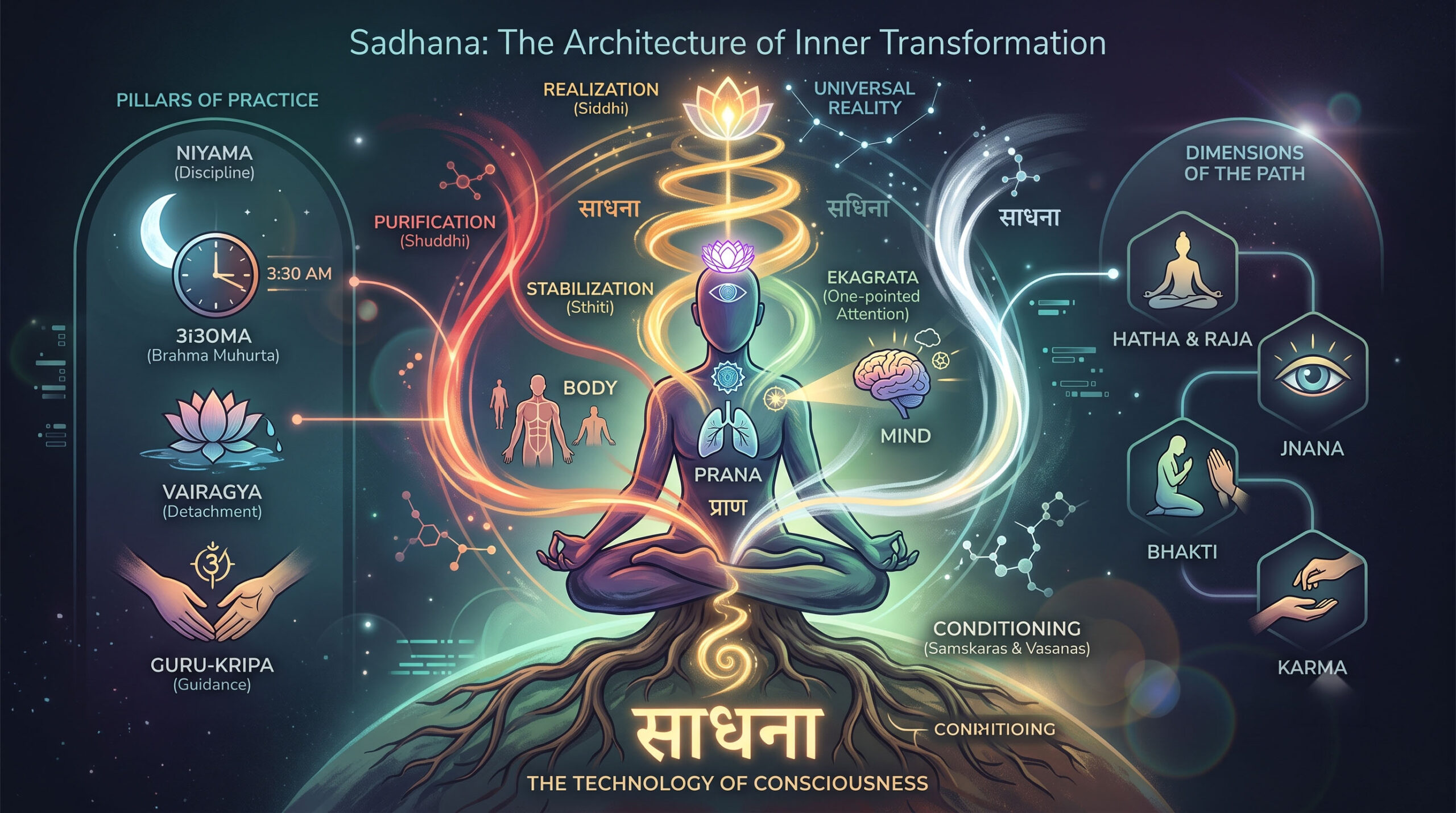
Authentic spiritual progress through meditation rests on three foundational pillars:
- Abhyasa (Unbroken Discipline): Regularity in practice is vital. Sitting in silence every day, even for a short duration at sunrise or sunset, retrains neural and energetic patterns far more effectively than sporadic, lengthy sessions.
- Shauch and Satya (Purity in Living): Meditation cannot bear fruit in isolation from character. Pure conduct, ethical actions, wholesome diet, and truthfulness purify the mind, removing the inner agitation that disrupts stillness.
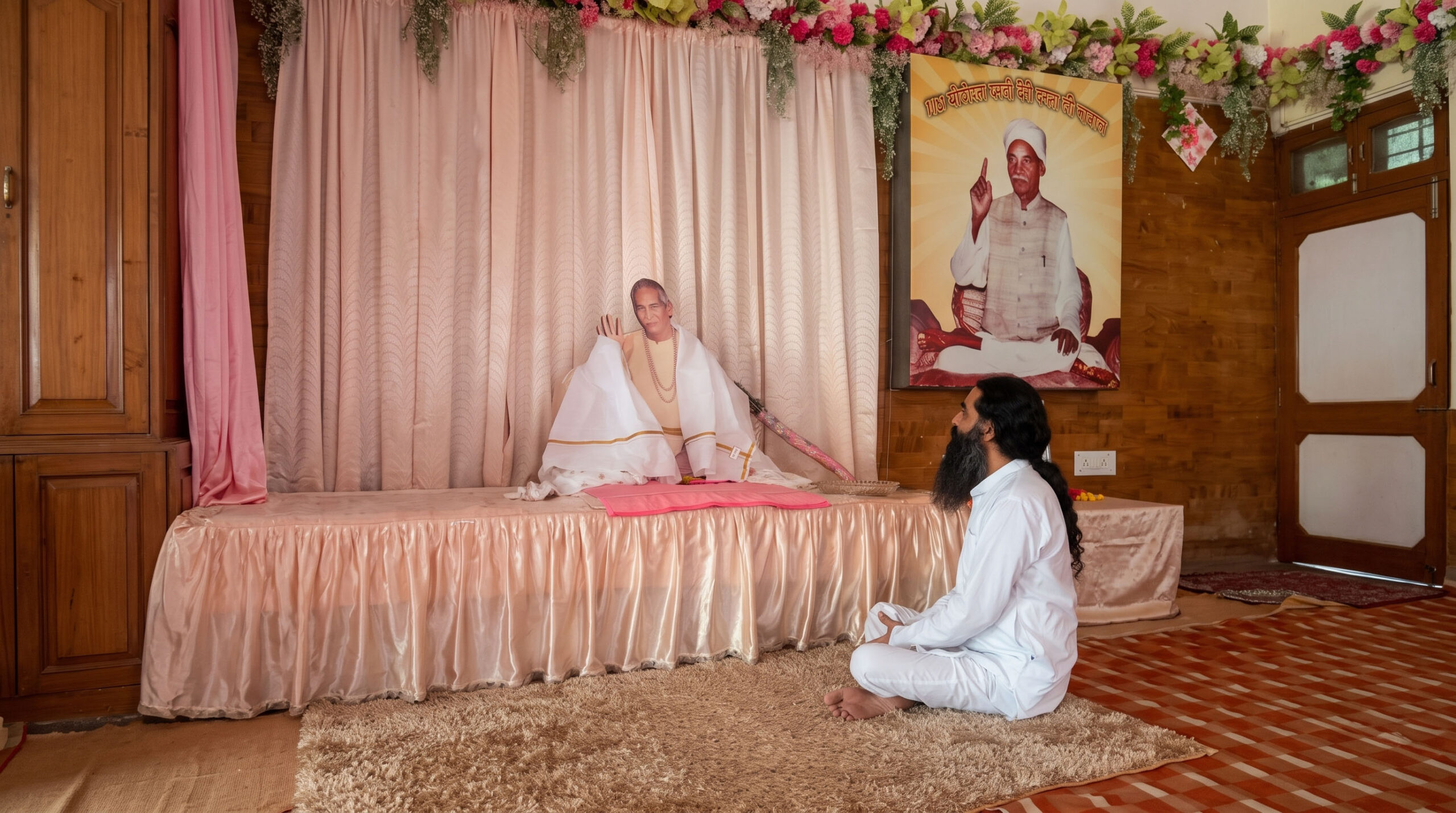
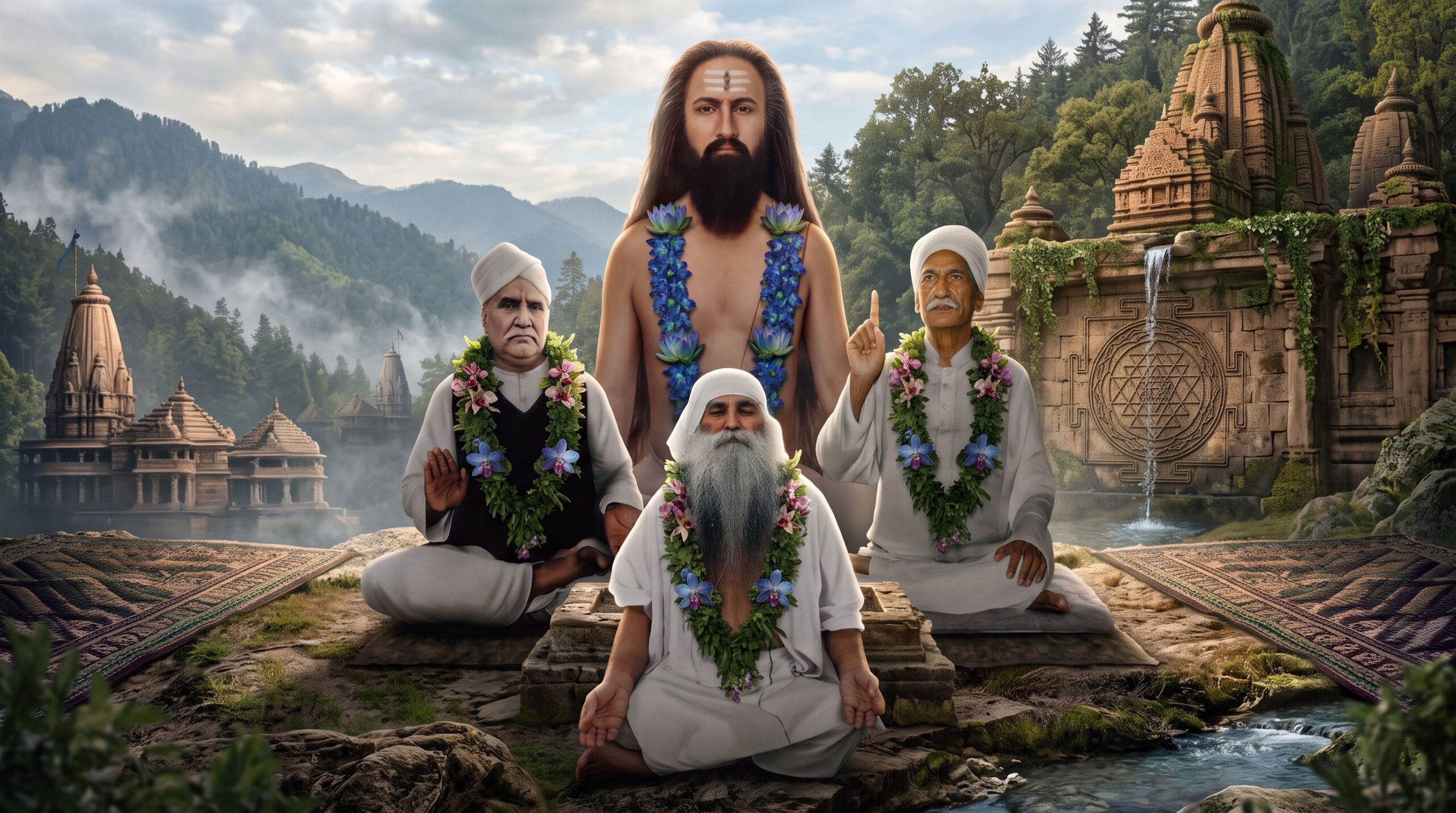
- Guru Kripa and Parampara (Guidance and Lineage): Self-directed meditation can often lead to complacency or subtle ego inflation. Alignment with the Guru Parampara provides the necessary grace (Kripa), anchoring the seeker to a proven spiritual transmission that guards and accelerates inner evolution.
4. Meditation in Worldly Life
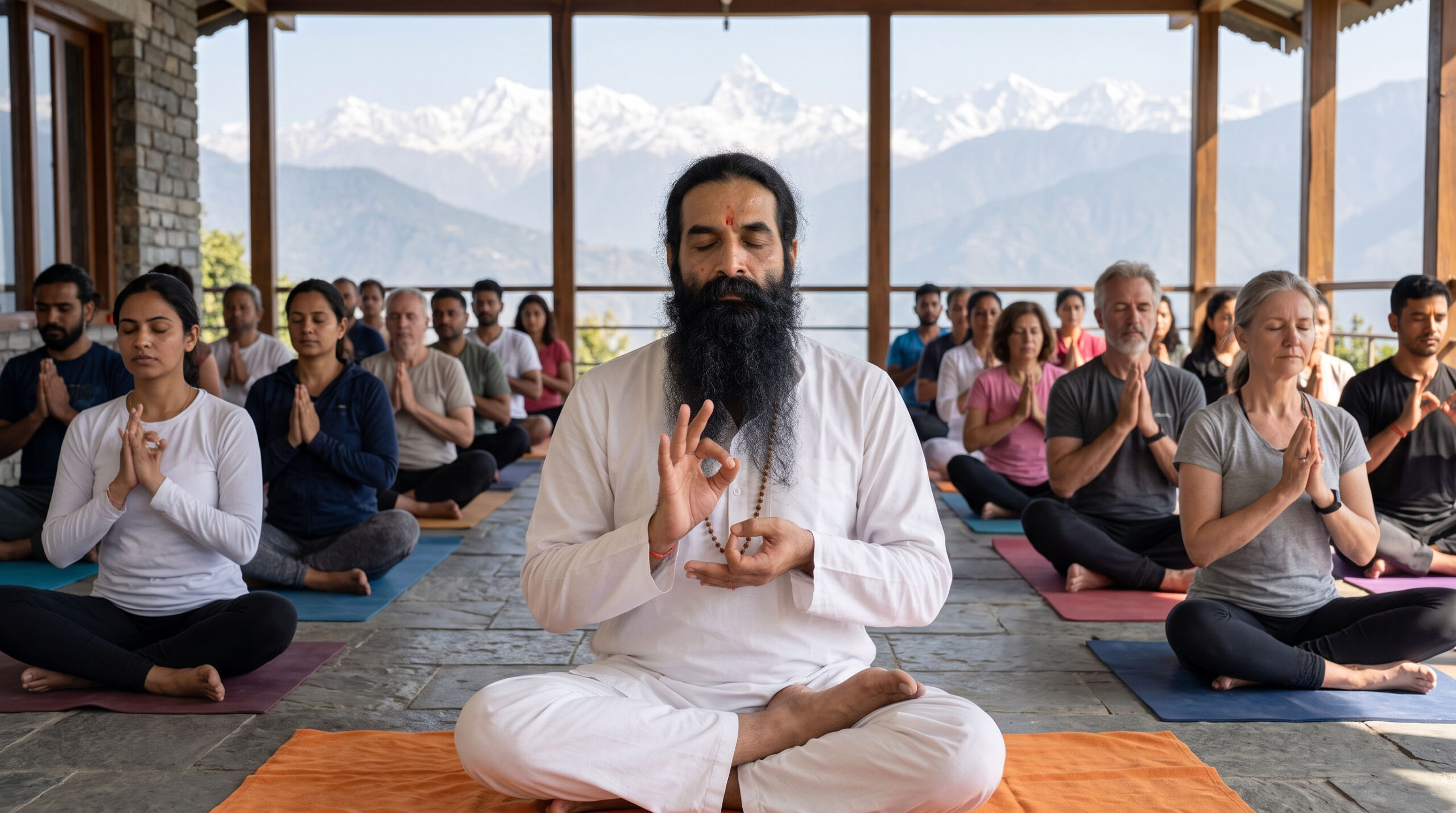
Meditation is not meant to separate a person from family or professional responsibilities. True yogic mastery is tested within worldly action.
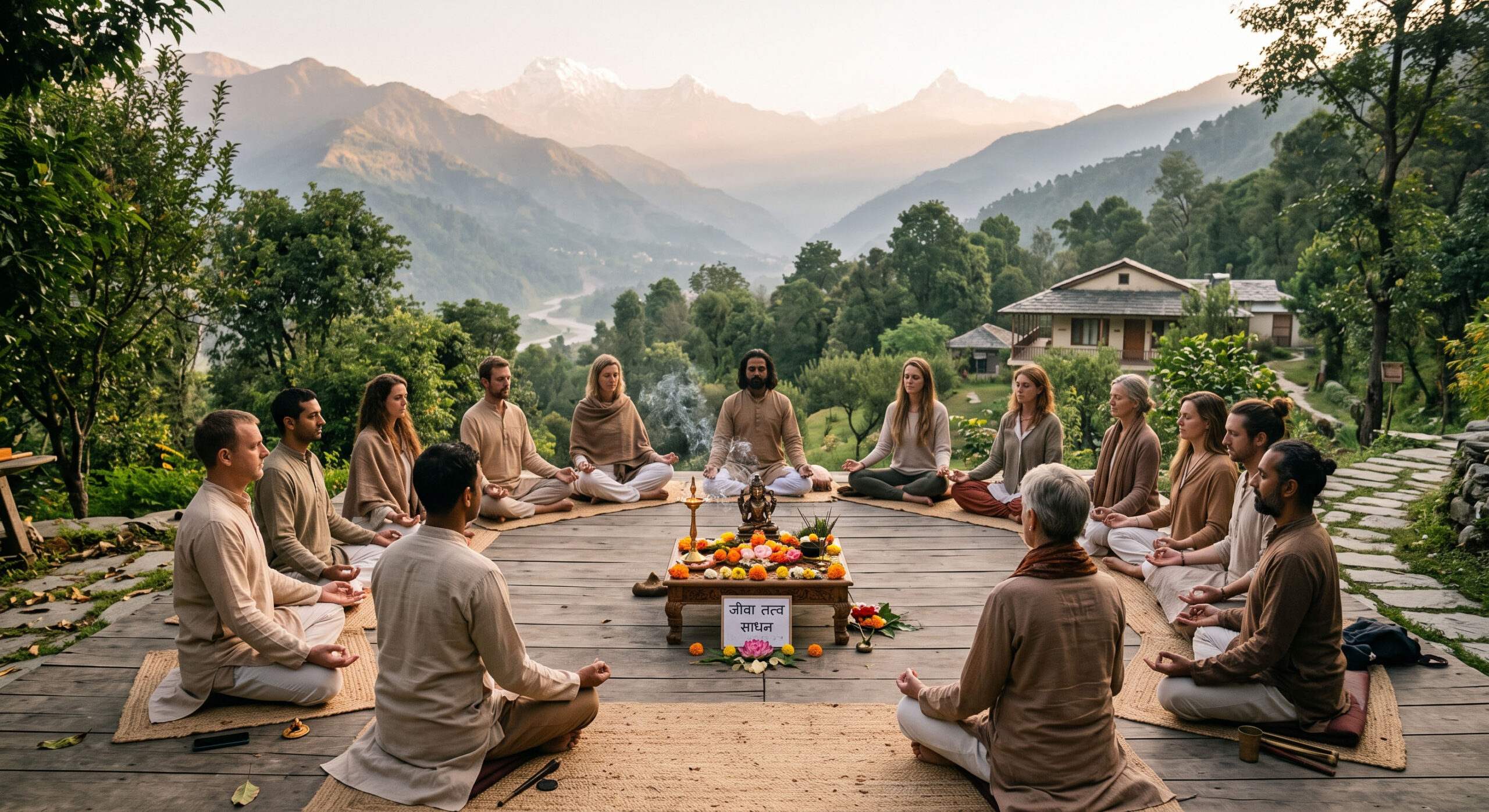
When silence becomes a trusted teacher, worldly duties transform into selfless service (Seva), and discipline deepens into devotion. By anchoring the mind in daily silence, a modern individual moves through challenges with poise, clarity, and an unshakable inner peace.



Leave a Reply